Can Liposuction Scars Be Invisible? Exploring Advanced Techniques and Placement
Embarking on a body contouring journey is a transformative milestone for your personal Health & Beauty goals. Liposuction remains one of the most effective surgical solutions for removing stubborn fat deposits and sculpting a more defined silhouette. However, alongside excitement about your future results, it is perfectly natural to worry about the permanent marks left behind. The question on almost every patient's mind is: "Can liposuction scars be invisible?"
What Causes Liposuction Scars?
To understand how surgeons minimize scarring, it helps to understand why these marks form in the first place. During a liposuction procedure, a surgeon makes small incisions in the skin to insert a hollow metal tube called a cannula. This tube is moved back and forth to break up and suction away fat cells.
The Dynamics of Incision Healing
Any time the dermis is penetrated, the body activates a wound-healing cascade, producing collagen fibers to close the gap. The final appearance of the scar depends heavily on:
-
The width of the cannula: Thicker tubes require larger incisions.
-
Friction damage: Mechanical movement of the cannula can cause thermal or physical friction at the edges of the incision.
-
Individual genetics: Patients prone to hyperpigmentation or keloids naturally produce more prominent marks.

Strategic Incision Placement: Hiding Marks in Plain Sight
The most effective way to render a scar "invisible" is to ensure it is completely hidden from view during everyday activities, even when you are wearing swimwear.
Utilizing Natural Anatomical Creases
Experienced plastic surgeons carefully map out incisions within the natural folds and contours of the body. For example:
-
Abdominal Liposuction: Incisions are placed deep inside the belly button (umbilical dip) or low along the natural pubic hairline, easily concealed by undergarments.
-
Back and Flank Liposuction: Marks are hidden within the horizontal fold of the brassiere line or lower hip crease.
-
Arm and Thigh Sculpting: Access points are made within the deep hollow of the armpit (axilla) or the natural gluteal fold beneath the buttocks.
Advanced Surgical Techniques Minimizing Skin Trauma
Beyond where the incision is made, how the surgery is conducted plays a monumental role in preventing visible scar tissue. Modern medical technology focuses heavily on minimizing mechanical trauma to the skin barrier.
1. The Use of Skin Protectors (Port Protectors)
One of the greatest advancements in scar prevention is the introduction of plastic port protectors. These small, sterile rings are inserted directly into the incision site before the cannula goes in. The protector acts as a physical shield, absorbing all the friction and heat generated by the moving cannula. This completely eliminates the jagged, burned edges that traditionally led to dark, raised scars.
2. Micro-Cannulas and Tumescent Fluid
Traditional liposuction utilized large tubes that required significant incisions. Today, high-definition sculpting uses micro-cannulas, some measuring less than 2 to 3 millimeters in diameter. Furthermore, the use of tumescent fluid—a solution containing epinephrine and lidocaine—swells the fat layer and constricts blood vessels, making fat extraction smoother and reducing structural stress on the incision walls.
3. Alternative Technologies: VASER and Laser Lipo
-
VASER Liposuction: Utilizes ultrasound energy to liquefy fat cells before suctioning, meaning the cannula glides out with minimal mechanical force.
-
Laser-Assisted Liposuction: Melts fat via heat, which simultaneously stimulates collagen production around the tiny entry point, promoting tighter, flatter healing.
Post-Operative Management: How to Achieve "Invisible" Healing
A surgeon's skill sets the foundation, but your personal aftercare routine determines the long-term aesthetic success of your skin's recovery.
The Power of Silicone Scar Therapy
Once the incisions have fully closed (usually around week two or three), medical-grade silicone gel or sheets are the gold standard for scar management. Silicone hydrates the tissue, normalizes collagen synthesis, and prevents the scar from becoming raised, red, or hard.
Strict Sun Protection
New scar tissue lacks melanin and is incredibly vulnerable to ultraviolet (UV) radiation. Exposing your fresh healing incisions to the sun can trigger post-inflammatory hyperpigmentation (PIH), turning a faint pink line into a permanent dark brown mark. Keep the areas covered and apply a broad-spectrum SPF 50 daily for the first year post-op.
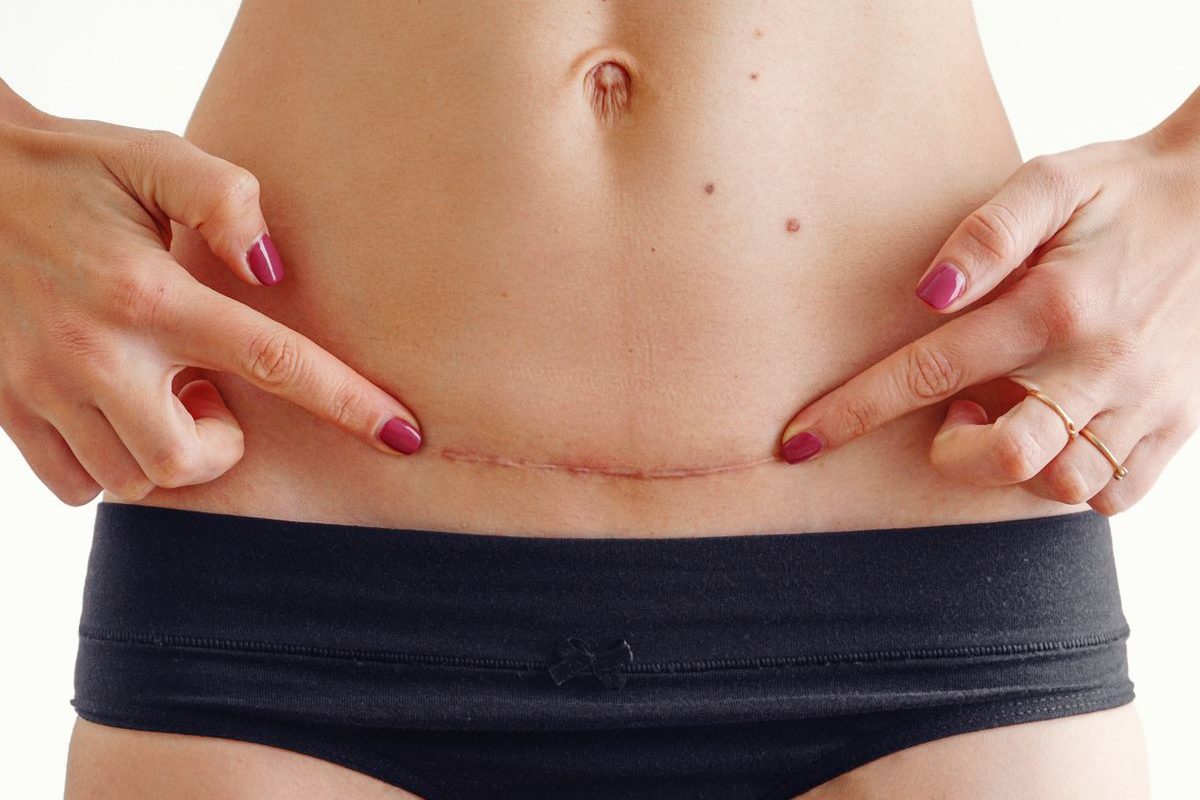
Comparing Liposuction Scar Types
| Type of Scar | Primary Cause | Long-term Visual Outcome |
| Hyperpigmented | Excess melanin production or UV exposure | Dark brown flat spot; fades slowly over years |
| Hypopigmented | Loss of pigment cells at incision site | Faint white or skin-colored mark; blends well |
| Keloid / Hypertrophic | Genetic overproduction of collagen | Raised, pink, or thick texture; requires treatment |
Conclusion: Setting Realistic Expectations for Your Scar Lipo Journey
While science and artistry have advanced to the point where your marks can become virtually undetectable, achieving completely "invisible" results requires a partnership between your anatomy, your surgeon's technique, and your dedication to aftercare. By prioritizing an experienced, board-certified plastic surgeon who utilizes micro-cannulas and protective ports, you can drastically minimize tissue trauma. When combined with rigorous silicone therapy and sun defense, your final scar lipo profile will be defined by beautifully sculpted contours rather than the marks left behind.


Nhận xét
Đăng nhận xét