Is Bulbous Nose Rhinoplasty Permanent? Longevity and Final Results
Undergoing facial plastic surgery is a significant milestone on your lifelong commitment to Health & Beauty. Among the various nasal reshaping procedures, refining a rounded, wide nose tip is one of the most frequently requested treatments. However, because the nasal tip consists of highly complex cartilage and thick skin, patients often ask a critical question before committing to surgery: Is bulbous nose rhinoplasty permanent?
This comprehensive article analyzes the longevity of surgical outcomes, how your anatomy influences the healing timeline, and what you should expect regarding your final results.
Understanding the Anatomy of a Bulbous Nose
To understand why rhinoplasty results behave the way they do, it helps to look at the underlying structure of a rounded nasal tip. A bulbous appearance is typically caused by one or two anatomical factors:
-
Hypertrophic Cartilage: The lower lateral cartilages are excessively wide, springy, or convexly curved.
-
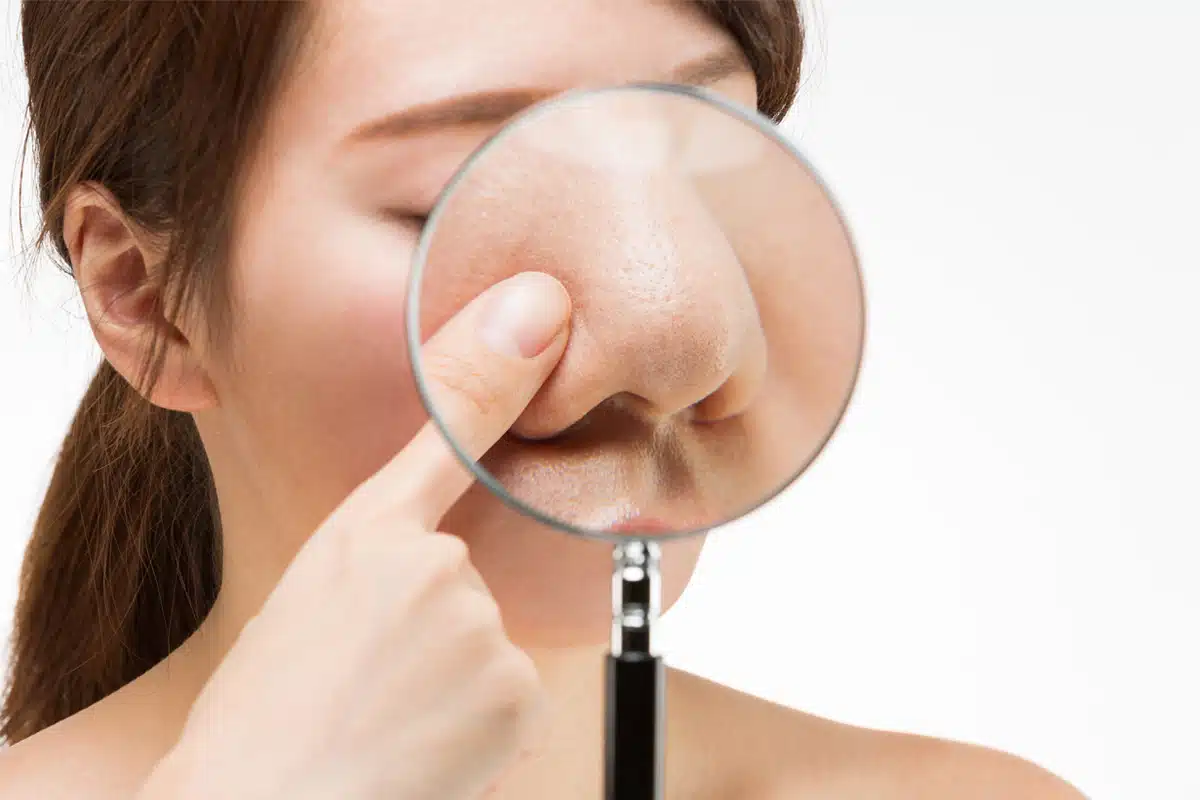
Thick Overlying Skin: The soft tissue envelope and skin covering the tip contain abundant sebaceous (oil) glands, masking the delicate definition of the cartilage underneath.
How Surgeons Refine the Tip
During a tip rhinoplasty, the surgeon reshapes the cartilage using suture techniques, strategizes structural cartilage grafts, or carefully thins the deep fibrofatty tissue layer underneath the skin to create a more defined, triangular tip profile.
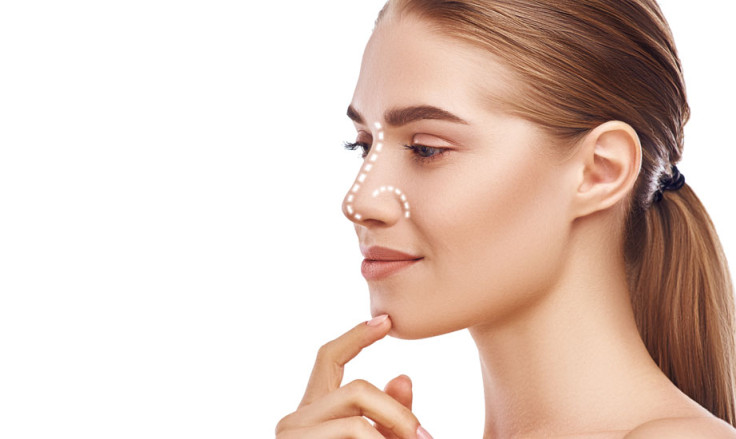
Is Bulbous Nose Rhinoplasty Permanent?
The short answer is yes. Unlike temporary aesthetic injectables like dermal fillers or neurotoxins, a surgical rhinoplasty permanently alters the structural framework of your nose. The cartilage that is removed, reshaped, or rearranged will not grow back.
However, achieving a permanent result does not mean your nose remains completely static. The longevity of your final outcome depends heavily on how your tissues adapt to this new structural foundation over time.
The Extended Healing Timeline: Managing Expectations
First-timers must understand that the nasal tip is the absolute last part of the face to fully heal. It takes much longer to see the permanent shape of a bulbous nose correction compared to a bridge reduction.
Months 1–3: The Initial Swelling Phase
Immediately after cast removal, your nose might look wider or more bulbous than it did before surgery. This is completely normal fluid retention. The thick skin typical of rounded tips acts like a sponge, holding onto swelling for an extended period.
Months 6–12: The Definition Emerges
By the half-year mark, the bridge and upper portions of the nose stabilize. The tip slowly begins to shrink-wrap around the newly sculpted cartilage, revealing a more chiseled, refined silhouette.
Year 1–3: The Permanent State
While textbook answers state that rhinoplasty heals in one year, thick-skinned bulbous tips often take two to three full years to completely shed residual swelling. The subtle changes occurring between years one and two are what ultimately lock in your permanent, final results.
Factors That Affect the Longevity of Your Results
While the structural changes are permanent, several dynamic variables can influence how your nose ages and holds its shape over the decades.
1. Skin Thickness and Contracture
Thick skin does not always conform perfectly to a smaller cartilage frame. If the skin lacks elasticity, it may form subtle scar tissue in the dead space left behind by reduced cartilage. Experienced surgeons combat this by using structural structural grafts to actively push against the thick skin, ensuring definition remains permanent.
2. Natural Aging Processes
Rhinoplasty halts your old nasal shape, but it does not stop the natural aging process of your face. Over time, gravity, a loss of skin elasticity, and the natural weakening of nasal cartilage can cause the tip to drop slightly (nasal ptosis). This happens to both operated and unoperated noses alike.
3. Structural Support and Grafts
If a surgeon simply clips away cartilage without building a supportive framework, the tip can collapse or warp over time, causing the bulbous appearance to return or worsen. Modern rhinoplasty focuses on reinforcement using cartilage grafts (like septal or rib grafts) to ensure the new shape lasts a lifetime.
Tips to Protect and Maintain Your Final Results
To ensure your surgical outcome remains pristine and permanent, diligent post-operative care is highly necessary:
-
Wear Your Taping/Splints: Follow your surgeon's instructions regarding nighttime nasal taping, which directly helps the thick skin compress cleanly over the cartilage.
-
Avoid Impact: Protect your face from any trauma for at least six weeks, as shifting the healing cartilage can permanently compromise your alignment.
-
Limit Sun Exposure: UV rays cause prolonged swelling and can damage skin elasticity, slowing down the vital shrink-wrapping process.
Conclusion: Emphasizing the Success of Bulbous Tip Correction
Ultimately, a surgical reshaping of a rounded nasal tip offers a permanent, transformative solution for facial harmony. While the journey requires patience due to the prolonged swelling characteristic of thick skin, the underlying structural changes are designed to withstand the test of time. By selecting a board-certified surgeon who understands the balance between cartilage reduction and structural support, you can enjoy the beautiful, lifelong benefits of a successful bulbous tip correction.


Nhận xét
Đăng nhận xét