Why Does Botox Fade? Understanding How Long Botox Lasts in 2026
Health & Beauty — Why Does Botox Fade? Understanding How Long Botox Lasts in 2026. Learn the biological, technical, and lifestyle factors that affect duration, plus up-to-date tips to maximize longevity and plan maintenance.
Botox remains one of the most popular non-surgical aesthetic treatments worldwide. Despite its widespread use, patients frequently ask: why does Botox fade, and how long can I expect the effects to last in 2026? This article explains the science behind Botox’s duration, the factors that influence how quickly its effects wear off, what’s new in recent research and practice, and practical steps to extend and optimize results.
How Botox Works: The Basic Mechanism
Botox (botulinum toxin type A) works by blocking acetylcholine release at the neuromuscular junction. This prevents targeted muscles from contracting, softening dynamic wrinkles caused by facial expressions. The effect is temporary because nerve terminals eventually recover — either through new nerve sprouting or restoration of synaptic function — restoring muscle activity and visible movement.
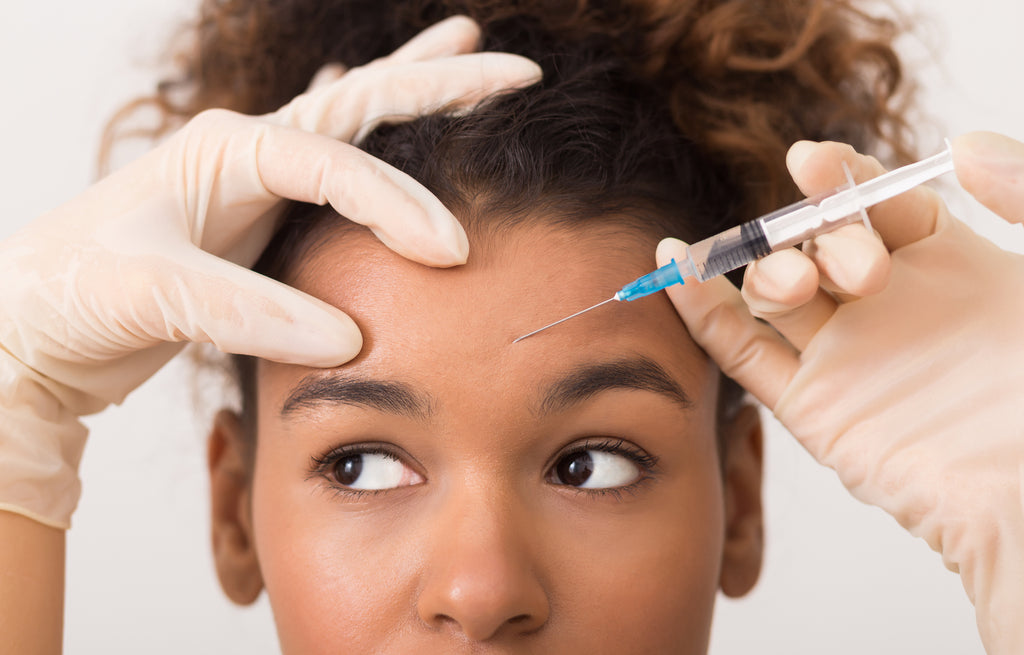
Why Botox Fades: Biological Mechanisms
Several biological processes explain the waning of Botox effects:
- Nerve terminal regeneration: After toxin exposure, presynaptic nerve endings sprout new terminals that re-establish neuromuscular transmission over weeks to months.
- Recycling of synaptic machinery: Cellular processes eventually restore normal acetylcholine release at the neuromuscular junction.
- Muscle remodeling: With repeated injections some muscles may atrophy slightly, altering the apparent duration, but initial sessions typically show predictable return of function.
Typical Duration Ranges
General expectations for cosmetic dosing in 2026 remain similar to prior years but with incremental refinements based on clinical experience:
- Facial rejuvenation (glabella, forehead, crow’s feet): Most patients experience 3–4 months of effect; a sizable group achieves 4–6 months.
- Masseter reduction: Often lasts longer — commonly 4–6 months and sometimes up to 9 months after repeated sessions due to progressive muscle atrophy.
- Therapeutic uses (e.g., chronic migraine, hyperhidrosis): Duration varies by indication and dose, often spanning 3–6 months depending on target and total units used.
Factors That Influence How Quickly Botox Wears Off
Multiple interrelated factors determine individual duration:
- Dosage: Larger effective doses generally prolong duration, but dosing must balance safety and natural appearance.
- Injection technique and placement: Precise targeting of motor endplates and appropriate dilution maximize local effect and reduce wastage/ diffusion.
- Muscle size and activity: Stronger, heavily used muscles (e.g., frontalis, masseter) tend to recover sooner unless higher doses are used.
- Individual metabolism: Faster protein turnover and metabolic rates (often in younger people) can shorten duration.
- Product differences and reconstitution: Brand, formulation, and how a vial is reconstituted and stored may slightly influence potency and duration.
- Immune response: Rare antibody formation to botulinum toxin can reduce efficacy over time, particularly with very high or frequent dosing.
- Lifestyle factors: Smoking, high alcohol intake, and strenuous activity immediately after injection may affect local outcomes.
What’s New in 2026: Research and Practical Advances
By 2026, refinements in technique and growing real-world data have produced practical improvements:
- Enhanced injection mapping: Better imaging and anatomical mapping tools allow injectors to target motor endplates more accurately, extending functional duration in some patients.
- Optimized dosing strategies: Personalized dosing based on muscle mass and prior response helps achieve longer, natural-looking results.
- Adjunctive protocols: Combining neuromodulators with skin remodeling treatments (microneedling, lasers, energy-based devices) can improve skin quality and longevity of aesthetic outcomes, though not the toxin’s pharmacologic half-life.
- Data-driven scheduling: Clinics increasingly use photo-tracking and patient-reported outcome measures to tailor retreatment intervals rather than rely solely on fixed schedules.
How to Maximize the Longevity of Botox Results
Practical steps patients can take to prolong effects include:
- Choose an experienced injector who understands anatomy and motor endplate targeting.
- Use appropriate dosing—more is not always better, but under-dosing shortens duration.
- Avoid strenuous exercise, alcohol, and excessive facial massage for 24–48 hours post-injection to reduce diffusion and bruising.
- Adopt a comprehensive skincare regimen: sunscreen, topical retinoids (if appropriate), and antioxidants to support skin health.
- Consider adjunctive treatments for skin quality: resurfacing or collagen-stimulating therapies can complement neuromodulation and reduce reliance on neuromodulators alone for a smooth appearance.
- Maintain consistent treatment: some patients experience longer intervals after several regular sessions due to partial muscle conditioning.
When to Schedule Retreatments
Retreatment timing should be individualized. Common approaches include:
- Fixed intervals: Many patients plan maintenance every 3–4 months for facial areas to retain peak effect.
- Flexible recall: Use photos and symptom tracking to schedule when movement bothers the patient rather than strictly on a calendar.
- Progressive spacing: After multiple consistent treatments, some patients may extend intervals to 4–6 months based on observed durability.

Signs That Botox Is Wearing Off
Recognizing return of muscle activity helps time touch-ups. Typical signs include:
- Gradual reappearance of dynamic lines with expressions.
- Return of unwanted muscle movements (e.g., clenching, eyebrow furrowing).
- Reduced smoothness in previously treated areas noticeable in photos or mirrors.
Risks of Over-Treatment and Antibody Formation
While rare in cosmetic practice, overly frequent high-dose treatments can theoretically increase the risk of neutralizing antibody development, reducing future responsiveness. Sticking to clinically justified dosing and appropriate intervals minimizes this risk.
Botox fades because the neuromuscular junction recovers: nerve terminals sprout and synaptic function returns. Typical cosmetic durations in 2026 remain roughly 3–4 months for facial rejuvenation and 4–6 months or longer for larger muscles like the masseter. Individual results depend on dose, injection technique, muscle characteristics, metabolism, and lifestyle. Recent advances in precision injection and data-driven scheduling help optimize and sometimes extend duration, but realistic expectations and individualized planning remain essential. Work with a qualified injector, d.ocument your response, and use combined skin-health strategies to get the best value and longevity from your treatments. For long-term planning, consider both the biology and practical aspects when estimating the Duration of Botox Results.


Nhận xét
Đăng nhận xét