The Risks of Consuming Alcohol After Botox Injections
Undergoing a cosmetic procedure is an investment in your confidence and appearance. Whether you are smoothing out forehead lines or targeting crow's feet, the aftercare phase is just as critical as the injection process itself. On your path to achieving a refreshed look with Health & Beauty, one of the most common questions asked is whether it is safe to enjoy a cocktail or a glass of wine following treatment.
While Botox is a minimally invasive "lunchtime" procedure, it involves localized trauma to the skin and muscles. Introducing alcohol into your system too early can compromise your results and lead to unnecessary complications. This article explores why mixing spirits with skin rejuvenation is a risky move.
Why Timing Matters Post-Botox
Botox consists of botulinum toxin type A, which requires a stable environment to settle into the targeted muscle groups. The first 24 to 48 hours are the "golden window" for recovery. During this time, the protein is binding to nerve endings. Anything that alters your blood chemistry or circulation—like alcohol—can interfere with this delicate biological process.
The Science of Vasodilation
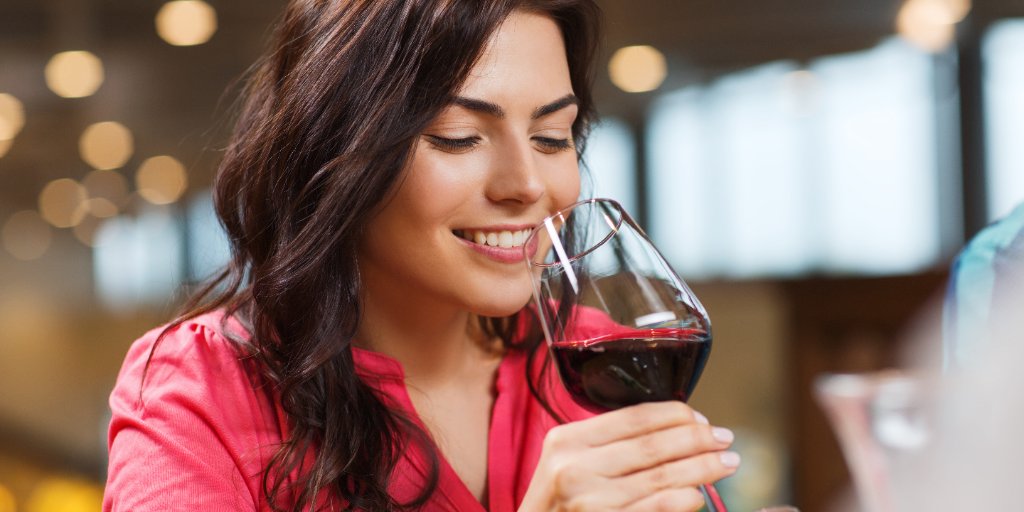
Alcohol is a known vasodilator, meaning it causes your blood vessels to relax and widen. While this might result in a temporary "flush," it also increases blood flow throughout the body, including the face. Increased circulation at the injection site can potentially "flush out" or displace the Botox before it has fully bound to the muscle receptors.
The Primary Risks of Drinking Alcohol After Treatment
If you decide to drink shortly after your appointment, you may face several side effects that range from aesthetic annoyances to physical discomfort.
1. Increased Bruising and Swelling
This is the most common risk. Because alcohol thins the blood and expands blood vessels, the tiny puncture wounds from the needle are more likely to bleed internally. This leads to:
-
Larger Hematomas: Instead of a tiny pinprick, you might develop a noticeable bruise.
-
Prolonged Recovery: Swelling that usually subsides in an hour might linger for days, masking the initial results of your treatment.
2. Dehydration and Skin Quality
Botox works best when the skin is healthy and hydrated. Alcohol is a diuretic, which strips the body of moisture. Dehydrated skin can appear dull and emphasize the very fine lines you are trying to eliminate, making it seem as though the Botox is less effective than it actually is.
3. The Risk of Migration
Though rare, increased blood flow combined with the dizziness alcohol can cause (leading you to rub your face or lie down prematurely) increases the risk of "migration." If the toxin moves to an unintended muscle, it can cause eyelid drooping (ptosis) or an asymmetrical smile.
Alcohol and Inflammation: A Bad Mix
Inflammation is the body’s natural response to any needle entry. However, excessive inflammation can be counterproductive.
Impact on Healing
Alcohol can trigger a systemic inflammatory response. If your face is already dealing with localized inflammation from 10 to 20 injection points, adding alcohol to the mix can cause your face to feel hot, itchy, or excessively tender.
Interaction with Other Medications
Many patients take mild pain relievers or supplements for skin health. Alcohol can interact poorly with anti-inflammatories, further thinning the blood and increasing the risk of adverse reactions that could have been easily avoided.
Pre-Treatment Precautions
The risks don't just start after you leave the clinic; they begin before you even arrive.
The 24-Hour Rule
Most expert injectors recommend abstaining from alcohol for at least 24 hours before your appointment. Thin blood during the procedure makes the injector's job more difficult, as pinpoint bleeding can obscure the exact anatomy of the muscle they are trying to hit.
Managing Expectations
If you have a major event like a wedding or a gala, do not schedule your Botox and your "celebratory drinks" on the same day. Ideally, give your body a full 48-hour "dry" period to ensure the puncture sites have closed and the toxin is immobile.
How Long Should You Wait?
Consistency is key in post-procedure care. While some clinics suggest 6 hours is enough, the safest bet for optimal results is to wait 24 to 48 hours.
-
At 6 Hours: The injection sites are usually closed, but blood thinning remains a risk.
-
At 24 Hours: Most of the "settling" has occurred, and the risk of significant bruising drops.
-
At 48 Hours: You are generally in the clear to return to your normal social habits.
Best Practices for Post-Botox Recovery
To get the most out of your treatment and avoid the pitfalls of alcohol, follow these steps:
-
Hydrate with Water: Drink plenty of electrolytes to keep skin plump.
-
Stay Upright: Avoid lying down or bending over for at least 4 hours.
-
Cold Compresses: Use a cool pack (not ice directly) to manage minor swelling instead of reaching for a drink to relax.
-
Avoid Salt: High salt intake combined with alcohol can lead to massive fluid retention in the face.
Conclusion: The Final Verdict
While a single glass of wine likely won't cause your treatment to fail entirely, the risk of bruising and suboptimal placement is real. Protecting your investment means giving your body the time it needs to heal without the interference of blood thinners. By being mindful of Post-Botox alcohol consumption, you ensure that your results are as smooth, symmetrical, and long-lasting as possible.


Nhận xét
Đăng nhận xét