Why Do I Have Bruising After Lip Filler? Causes and Prevention Guide
Health & Beauty — Why Do I Have Bruising After Lip Filler? Causes and Prevention Guide. Understand the common causes of bruising after lip augmentation, how to reduce your risk, and safe aftercare to speed recovery.
Noticing bruising after lip filler is common and often alarming for first-time patients. This guide explains why bruising happens, the main factors that increase your risk, what to expect during recovery, and practical prevention strategies you can take before and after treatment. Armed with this information, you can make better choices about timing, provider selection, and self-care to minimize bruising and recover more comfortably.
What Is Bruising and How Does It Develop?
Bruising, or a hematoma, occurs when small blood vessels (capillaries) are damaged and blood leaks into the surrounding tissues. The body gradually breaks down and reabsorbs this blood, producing the color changes typical of a bruise—from red and purple to green and yellow—over several days to weeks. Because the lips are rich in tiny blood vessels and are close to the skin surface, they are particularly susceptible to bruising during injectable procedures.
Anatomy of the Lips and Why They Bruise Easily
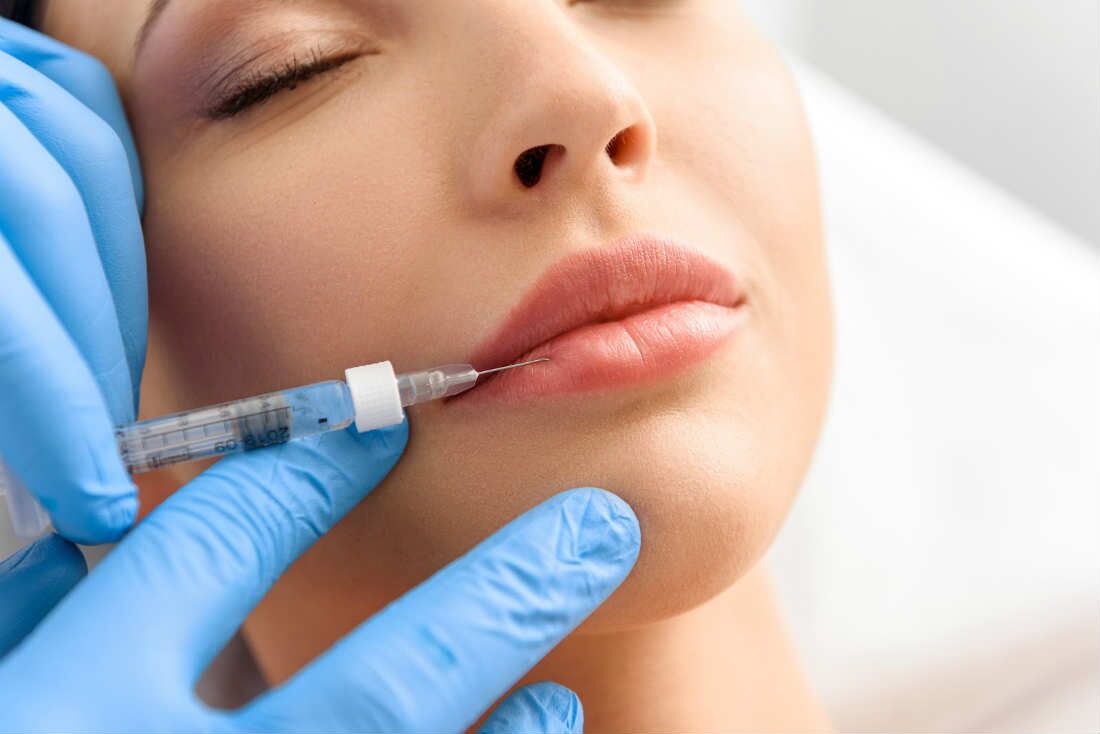
The lips have a dense vascular network that supplies blood to maintain tissue health and sensation. These vessels are more superficial compared with many other facial areas, and the thin mucocutaneous tissue means that even minor trauma can produce visible discoloration. Injections can nick vessels directly or cause pressure-related rupture, both of which lead to localized bleeding and bruising.
Common Causes of Bruising After Lip Filler
- Injection trauma: Needle passes or cannula insertions can mechanically rupture small vessels.
- Superficial placement: Injecting too close to the skin surface increases the chance of vessel injury and visible bruising.
- Multiple needle passes or aggressive technique: Repeated punctures and high-volume or fast injections cause more tissue disruption.
- Individual vascular anatomy: Some people naturally have more superficial or fragile vessels, increasing bruise risk.
- Medications and supplements: Anticoagulants, antiplatelet agents, NSAIDs, certain herbal supplements, and high-dose vitamins can impair clotting and increase bleeding.
- Alcohol and smoking: Alcohol can thin the blood acutely, and smoking impairs microcirculation and healing.
- Underlying medical conditions: Bleeding disorders, liver disease, or other systemic conditions that affect clotting increase the likelihood of bruising.
Medications and Supplements: What to Watch For
Certain medications and natural supplements increase bleeding risk and should be disclosed to your injector and prescribing physician well before treatment. Common culprits include:
- Aspirin and other antiplatelet drugs
- Anticoagulants (warfarin, direct oral anticoagulants)
- NSAIDs (ibuprofen, naproxen)
- High-dose fish oil, vitamin E, ginkgo biloba, garlic supplements
- Some herbal remedies and anti-inflammatory agents
Never stop prescribed anticoagulant therapy without consulting the prescribing clinician. For over-the-counter medications and supplements, discuss temporary pauses with both your injector and your physician when medically safe.
Prevention: Steps to Take Before Your Appointment
Preparation can significantly reduce the chance and severity of bruising. Follow these practical steps:
- Full disclosure: Share your medical history, medications, and supplement list with your injector.
- Medication planning: With approval from your prescribing clinician, avoid aspirin, NSAIDs, and certain supplements for 5–10 days before treatment.
- Avoid alcohol for 24–48 hours prior to injections.
- Hydration and rest: Well-hydrated, rested tissues respond better and swell less.
- Timing: Schedule your appointment at least two weeks before major events to allow any bruising to resolve.
- Choose an experienced injector: Providers who use conservative techniques, proper depth, and blunt-tipped cannulas where appropriate produce less tissue trauma.
Technique Matters: Needle vs. Cannula
Injectors often choose between sharp needles and blunt microcannulas. Needles allow precise placement but may cause more vessel puncture if multiple passes are needed. Cannulas require slightly larger entry points but can navigate around vessels, reducing the number of penetrations. Ask your provider which tool is best for your anatomy and goals—experienced practitioners will tailor technique to minimize bruising risk.
Immediate Aftercare to Limit Bruising
After your appointment, these measures help reduce bleeding into tissues and control swelling:
- Cold therapy: Apply a wrapped ice pack intermittently for the first 24–48 hours (10–15 minutes each hour while awake).
- Head elevation: Sleep with your head elevated on pillows for the first night.
- Avoid heat and exertion: No saunas, hot showers, or vigorous exercise for 24–72 hours.
- Do not massage the treated area unless instructed by your provider.
- Consider arnica or other clinician-recommended adjuncts after confirming they are safe for you.
Managing Bruises: What to Expect During Healing
Bruises typically evolve through color stages as hemoglobin breaks down and is reabsorbed. Expect peak visibility at 1–3 days post-procedure, with progressive fading over 1–2 weeks and complete resolution usually by 2–3 weeks. Use cold early, then gentle warmth after 48 hours to promote circulation and clearance. Over-the-counter topical color-correcting concealers can mask discoloration while the bruise resolves.
When to Seek Medical Advice
Most bruising is benign and self-limited, but contact your injector or a medical professional if you notice:
- Severe or worsening pain not relieved by simple analgesics
- Signs of infection: spreading redness, increasing warmth, pus, or fever
- Rapidly expanding hematoma or a large, fluctuant lump
- Numbness, persistent blanching, unusual mottling, or any visual disturbances—rare signs that may indicate vascular compromise
Long-Term Prevention and Planning
If you bruise easily, discuss long-term strategies with your injector: using cannulas, lowering per-session volumes, extending time between passes, and pre-planning medication/supplement pauses. Keeping a treatment diary describing which approaches reduced bruising can guide future sessions. Also, consider scheduling treatments during low-risk times when a week or two off from social events is feasible.
Conclusion
Bruising after lip filler is common and usually temporary. It results from vessel injury or pressure-related bleeding in the lips’ dense vascular network. You can reduce your risk by disclosing medications, avoiding blood-thinning agents when safe, choosing an experienced injector, and following careful pre- and post-procedure steps like cold therapy and activity modification. Most bruises improve within 1–2 weeks, but seek prompt care for severe pain, infection signs, expanding hematoma, or any symptoms suggesting vascular compromise. With appropriate planning and technique you can minimize downtime and the visible effects of lip discoloration after filler.


Nhận xét
Đăng nhận xét