What to Do After Botox to Avoid Bruising and Migration
Health & Beauty — What to Do After Botox to Avoid Bruising and Migration. Learn evidence-based steps to reduce bruising, prevent toxin migration, and protect your results during the critical post-treatment window.
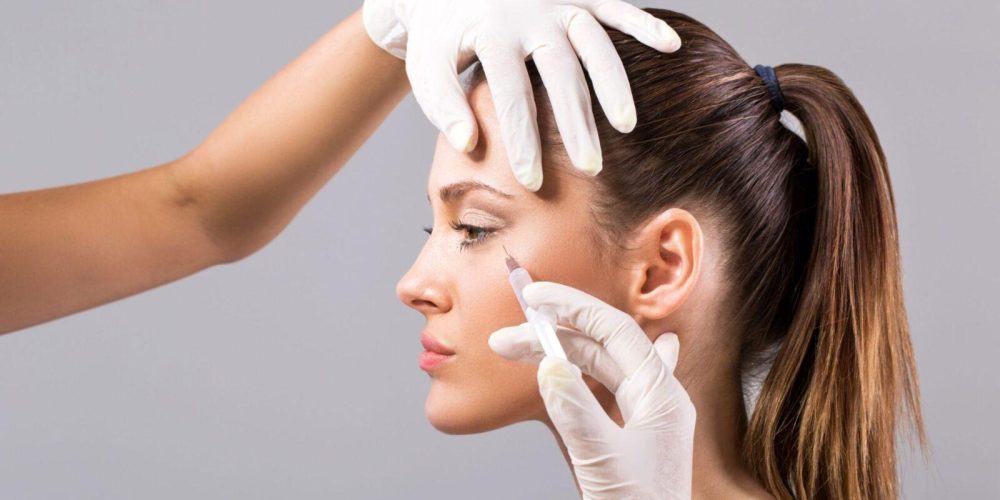
Botox is a widely used cosmetic treatment that relaxes muscles to soften dynamic lines. While injections are generally safe, two common concerns after treatment are bruising and migration (product moving into nearby unintended muscles). Both can affect appearance and satisfaction with results. This article explains practical, evidence-informed steps you can take immediately and during the first days after Botox to minimize bruising and prevent migration, so your treatment settles predictably and safely.
Why Bruising and Migration Happen
Bruising occurs when small blood vessels are damaged during needle insertion, causing blood to collect under the skin. Migration happens when the botulinum toxin diffuses away from the targeted injection site before it binds to nerve endings. Increased blood flow, mechanical pressure, and heat can promote diffusion, while vigorous manipulation or improper injection technique can also contribute. Understanding these mechanisms helps you follow the right aftercare steps.
Immediate Steps: First 0–2 Hours
- Stay Upright: Remain upright for at least 2–4 hours post-injection. Avoid lying flat or bending over, which can encourage product movement toward unintended areas.
- Avoid Touching or Massaging: Do not rub, massage, or press on treated areas. Manual manipulation can spread the product and increase bruising risk.
- Apply Cold Compresses Lightly: Use a cold pack for 10–15 minutes if you notice swelling or discomfort. Apply gently—excessive pressure can displace the product.
- Avoid Blood Thinners: Unless medically necessary and directed by your doctor, avoid aspirin, NSAIDs, and alcohol for 24 hours to reduce bleeding and bruising.
First 24 Hours: Activities to Avoid
The first 24 hours are crucial for preventing diffusion. Follow these guidelines:
- Avoid Strenuous Exercise: High-intensity workouts raise heart rate and blood flow, potentially increasing diffusion and bruising. Opt for light walking instead.
- Steer Clear of Heat: Skip saunas, hot baths, steam rooms, and tanning beds. Heat dilates blood vessels and can worsen swelling and migration risk.
- No Facial Treatments or Massage: Hold off on facials, dermabrasion, chemical peels, and lymphatic massage for at least 48–72 hours.
- Sleep Position: Sleep with your head elevated and avoid face-down positions to prevent pressure on injection sites.
How to Care for Injection Sites
- Gentle Cleansing: Use a mild cleanser and lukewarm water. Pat dry with a clean towel—do not rub.
- Avoid Makeup Immediately: If possible, wait a few hours before applying makeup. When you do, apply it gently to avoid pressure at injection points.
- Topical Hemostatic Agents: Some providers recommend topical agents like arnica or vitamin K cream to reduce bruising—discuss options with your clinician before use.
Minimizing Bruising: Practical Tips
- Pre-Treatment Planning: If you bruise easily, tell your provider beforehand. They may adjust technique, use smaller needles, or apply pressure during injection.
- Hold Off Certain Supplements: Consider pausing nonessential supplements that increase bleeding (fish oil, high-dose vitamin E, ginkgo) for several days before and after treatment, but only after consulting your healthcare provider.
- Use Cold Immediately: Cold compresses applied shortly after injections help constrict blood vessels and limit bleeding under the skin.
- Consider Arnica or Bromelain: Some patients use arnica topically or orally and bromelain supplements to help limit bruising; discuss safety and timing with your clinician.
Preventing Migration: Behavior and Timing
Migration is largely a function of local diffusion and is influenced by actions that increase circulation or apply pressure to treated areas. To reduce migration risk:
- Avoid Face-Down Yoga or Inversions: Inverted positions increase blood flow to the head and may encourage spread of the toxin.
- Delay Intensive Facial Movement: While normal expressions are fine, avoid exaggerated or repetitive facial movements, strenuous chewing, or prolonged laughing that may mobilize the area in the immediate hours after injection.
- Follow Provider’s Injection Plan: Migration risk is lower with proper dosing and correct injection placement. Choose an experienced injector who understands anatomy and uses conservative dosing when appropriate.
Recognizing and Responding to Early Issues
Some signs may suggest early migration or complications. Contact your provider promptly if you notice:
- Sudden drooping of the eyelid or brow (possible ptosis)
- Marked asymmetry that develops shortly after treatment
- Severe or spreading swelling, persistent pain, or signs of infection (redness, warmth, pus, fever)
- Difficulty speaking, swallowing, or breathing (rare emergencies)
Early assessment can allow conservative management, reassurance, or targeted treatments to address functional concerns.
Follow-Up Care and Touch-Ups
Most clinics schedule a follow-up visit about 10–14 days after treatment to assess results and perform conservative touch-ups if needed. Touch-ups allow minor corrections without overloading tissue during the initial session. If bruising obscures early results, your provider can still evaluate movement patterns and offer guidance once swelling subsides.
Choosing the Right Provider to Reduce Risk
Provider skill matters. Select a licensed, experienced clinician who performs a thorough facial assessment, explains dosing, and offers clear aftercare instructions. Proper technique—appropriate dilution, correct depth, and precise placement—minimizes both bruising and migration risk. Don’t compromise on experience for cost savings.

Long-Term Habits to Support Predictable Results
- Maintain regular, moderate exercise, but schedule high-intensity sessions away from injection days.
- Protect skin health with daily sunscreen and a balanced skincare routine to reduce inflammation and support tissue resilience.
- Communicate openly with your injector about bruising history, medications, and past reactions so care can be individualized.
Conclusion
To avoid bruising and migration after Botox, follow simple, evidence-based steps: stay upright for a few hours, avoid rubbing or massaging treated areas, postpone strenuous exercise and heat exposure for 24–48 hours, and use gentle cold compresses if needed. Inform your provider about any blood-thinning medications or supplements, and choose an experienced injector who provides a clear follow-up plan. Monitor for concerning symptoms and contact your clinic promptly if issues arise. Adhering to these practical Post-Botox Instructions will help ensure your treatment settles safely and delivers the predictable, natural-looking results you expect.


Nhận xét
Đăng nhận xét