What Is Monolid Eyes? Common Cosmetic Procedures for Eyelid Definition
Heath & Beauty — What Is Monolid Eyes? Common Cosmetic Procedures for Eyelid Definition. Discover definitions, anatomy, popular cosmetic options (surgical and non-surgical), risks, recovery, and how to choose the right treatment for monolid eyelids.
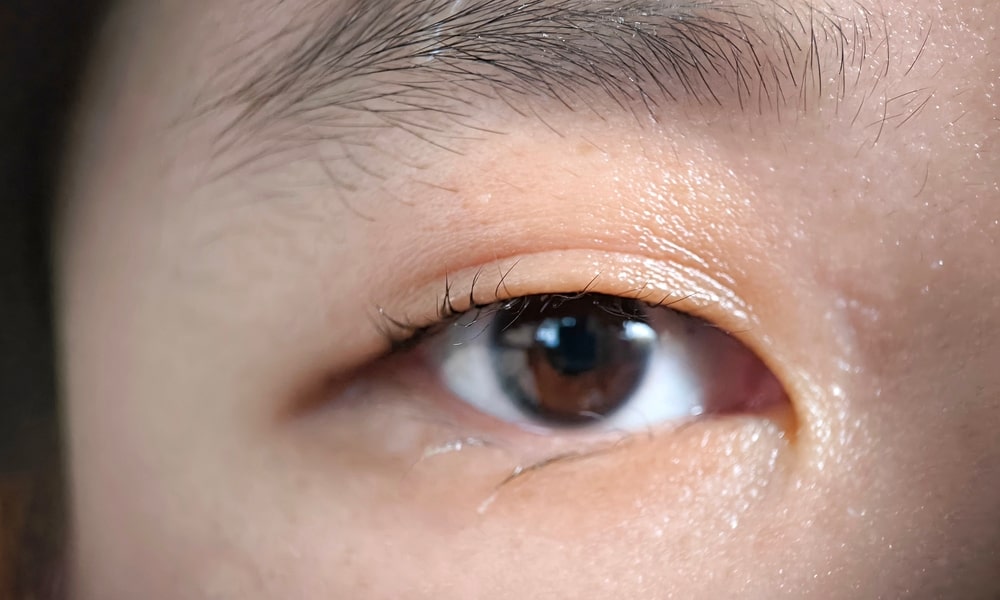
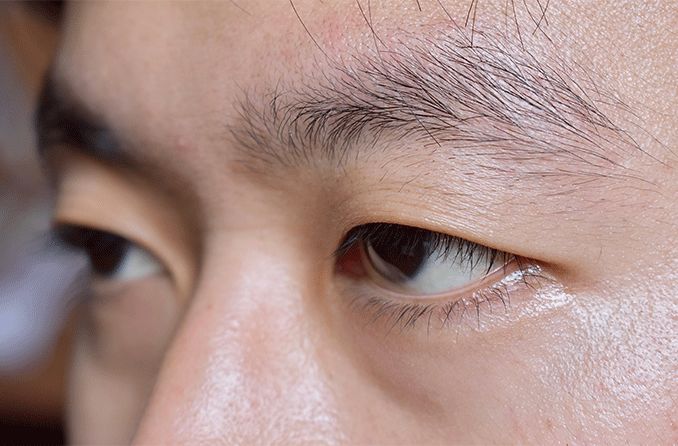
Monolid eyes, often called single eyelids, lack a prominent supratarsal crease and present a smooth eyelid surface from lash line to brow. This eyelid morphology is a natural variation seen across many ethnicities, particularly common among East Asian populations. While many people celebrate their monolid features, others seek cosmetic procedures to create or enhance eyelid definition. This article explains monolid anatomy, outlines common cosmetic procedures for eyelid definition, covers risks and recovery, and offers guidance for choosing a provider.
Understanding Monolid Anatomy
At the core of eyelid differences is anatomy. The eyelid crease forms when the levator aponeurosis (the tendon of the muscle that lifts the eyelid) connects to the skin. In monolids, this attachment is absent, weaker, or positioned differently, preventing a visible fold when the eye opens. Additional factors—such as pre-aponeurotic fat volume, skin thickness, and the presence of an epicanthic fold—also influence eyelid appearance and the suitability of specific cosmetic techniques.
Why People Seek Eyelid Definition
Motivations vary: some seek a more “open” eye appearance, others want makeup to behave differently, and a portion pursue changes for cultural or personal beauty preferences. It’s important to balance aesthetic goals with respect for ethnic identity and to consider non-surgical options before committing to irreversible procedures.
Non-Surgical Options
Non-surgical techniques are popular for temporary or reversible eyelid definition and often serve as a trial before permanent changes.
Eyelid Tapes and Glue
Eyelid tape and glue are inexpensive, widely available methods that create a temporary crease by adhering a fold to the upper eyelid. They’re useful for special occasions and for testing preferred crease placement. Risks include skin irritation, allergic reactions, and poor longevity throughout the day, especially with oily skin or sweating.
Thread Crease Techniques
Some practitioners use percutaneous suture or thread techniques to create a semi-permanent crease. These methods place absorbable or non-absorbable sutures to approximate skin and levator attachments without a full incision. Results can last months to years but are generally less durable than incisional surgery. Complications may include suture loosening, asymmetry, or infection.
Cosmetic Injectables and Fillers
Injectable fillers are not typically used to create a true crease but can contour the upper eyelid area in select cases—especially when volume manipulation improves perceived lid definition. Fillers are temporary and carry risks such as bruising, migration, or vascular compromise if improperly injected in the periocular area. Only experienced injectors should perform periocular filler work.
Surgical Options (Blepharoplasty / Double Eyelid Surgery)
For lasting eyelid definition, many consider blepharoplasty (double eyelid surgery). Surgeons tailor technique based on eyelid anatomy, patient goals, and the amount of skin or fat present.
Non-Incisional (Suture) Method
The non-incisional, or suture, method creates a crease by placing sutures between the eyelid skin and the levator aponeurosis without cutting the skin. Benefits include shorter recovery, minimal scarring, and reversibility. Ideal candidates have thinner eyelids with minimal excess skin or fat. Drawbacks: sutures can loosen over time, and the crease may become less defined.
Incisional (Open) Method
The incisional technique involves a small skin incision along the planned crease. Surgeons can remove or reposition excess skin and fat, secure attachments to the levator, and create a permanent crease. This method offers more predictable, long-lasting results and is preferred for patients with thicker eyelids, significant fat, or skin redundancy. Recovery is longer than the suture method, and there is a small scar that typically fades over months.
Fat Repositioning and Removal
When pre-aponeurotic fat obscures crease formation, surgeons may remove, reposition, or sculpt fat pads during an incisional blepharoplasty. This step can help define the crease and reduce eyelid fullness, improving contour and eyelid fold visibility.
Adjunctive and Combined Procedures
Some patients benefit from adjunctive procedures to achieve harmonious facial balance:
- Epicanthoplasty: Alters the inner corner (epicanthic fold) to change eye shape and expose more of the medial lid.
- Brow lift: Raises brow position, indirectly increasing upper eyelid visibility and reducing the need for aggressive eyelid surgery.
- Skin resurfacing or tightening: Laser, radiofrequency, or microneedling can improve skin quality, complementing surgical crease creation.
Risks and Recovery Considerations
All cosmetic eyelid procedures carry risks. Common postoperative issues include swelling, bruising, temporary numbness, asymmetry, or dissatisfaction with crease height. More serious but rare complications include infection, hematoma, excessive scarring, or impaired eyelid closure. Recovery timelines differ: non-incisional methods often allow return to normal activities within a week, while incisional surgery may require one to two weeks for visible swelling to subside and several months for final results.
Choosing the Right Provider
Select a board-certified oculoplastic surgeon or facial plastic surgeon experienced in ethnic eyelid anatomy. Important steps:
- Review before-and-after galleries featuring patients with similar eyelid types.
- Discuss realistic goals, crease height, and whether a staged approach is recommended.
- Ask about complication rates, revision policies, and postoperative care protocols.
Setting Realistic Expectations
Successful outcomes combine anatomical suitability, skilled technique, and clear communication. Some patients prefer subtle definition that preserves natural monolid characteristics; others want a more prominent double eyelid. Preoperative simulation—using temporary tapes or digital imaging—helps align expectations and reduces postoperative disappointment.
Conclusion
Monolid eyes are a natural and varied eyelid type. Cosmetic procedures for eyelid definition range from temporary tapes and thread techniques to durable incisional blepharoplasty with fat modification. Each option has trade-offs in permanence, recovery, and risk. Careful assessment of Single Eyelid Anatomy, candid consultation with an experienced, culturally sensitive surgeon, and realistic expectations are essential to achieving a satisfying, safe result.


Nhận xét
Đăng nhận xét