Safety Guide: Upper Eyelid Filler Results: Before and After What to Expect
Health & Beauty — Safety Guide: Upper Eyelid Filler Results: Before and After What to Expect. Learn realistic timelines, expected changes, safety checkpoints, common side effects, and how to optimize outcomes for superior sulcus rejuvenation.
Upper eyelid filler (superior sulcus filler) is an increasingly popular, minimally invasive option to correct hollowing of the upper eyelid and restore a more rested, youthful appearance. Understanding what to expect before and after treatment—both aesthetically and from a safety perspective—helps patients set realistic expectations and recognize normal healing versus signs of complications. This guide covers pre-procedure preparation, immediate and short-term post-treatment effects, timeline to final results, common side effects, safety precautions, and follow-up care to ensure the best possible outcome.
Pre-Procedure: Consultation and Assessment
Every successful outcome begins with a thorough consultation. A qualified provider will assess superior sulcus depth, skin laxity, brow position, and eyelid fat prolapse. They should review your medical history, medications (including blood thinners and supplements), prior periorbital surgery or fillers, and any ocular issues. Expectations are discussed and photographic documentation is typically taken for before-and-after comparison. A safety-focused clinician will explain chosen products, injection planes (usually deep supraperiosteal or preperiosteal placement), technique (needle vs. microcannula), and emergency protocols including availability of hyaluronidase.
Preparing for Treatment
To reduce bruising and enhance safety, follow pre-treatment instructions: avoid alcohol and blood-thinning supplements for 24–72 hours if medically safe, and stop NSAIDs or aspirin only if approved by your physician. Inform your provider of all medications and recent illnesses. Plan to have minimal commitments for the first 24–48 hours in case of swelling or bruising.

What Happens During the Procedure
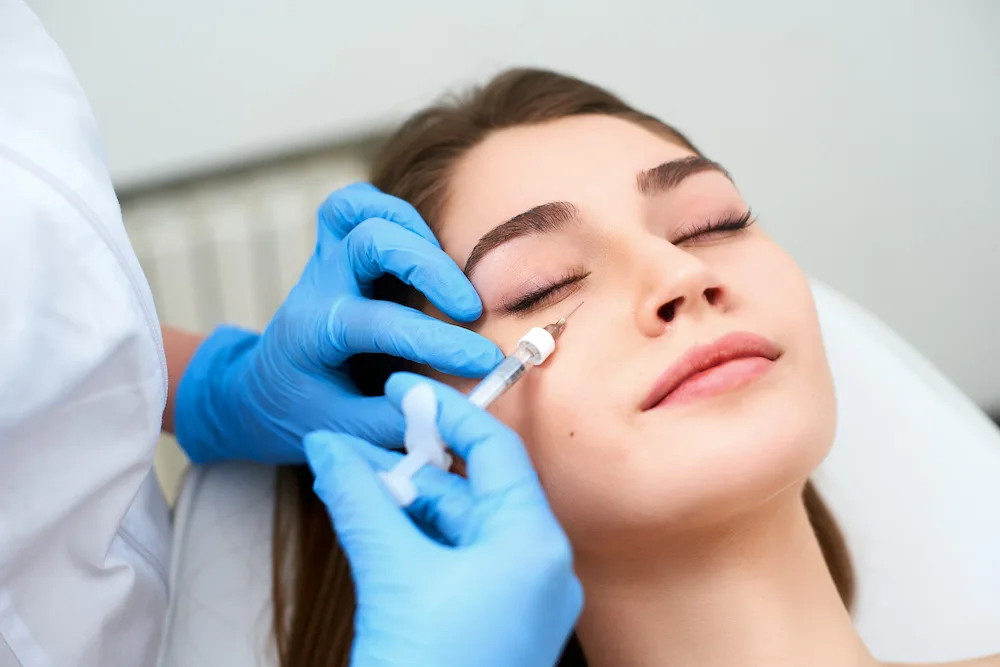
Upper eyelid filler procedures are usually performed in-office and last about 20–45 minutes. Topical anesthetic or localized numbing improves comfort. The injector may mark entry points and use a blunt microcannula or fine needle to place small aliquots of a low-viscosity, low-hydrophilicity hyaluronic acid (HA) filler in the deep plane. Conservative, incremental placement minimizes the risk of overcorrection and surface irregularities. Immediate assessment ensures symmetry and appropriate volume, with follow-up appointments scheduled as needed.
Immediate Aftercare and First 48 Hours
Right after the procedure, you should expect some immediate improvement in contour, though mild swelling may temporarily exaggerate fullness. Common instructions include:
- Keep your head elevated for 24 hours to limit swelling.
- Apply cold compresses intermittently for the first 24 hours to reduce bruising and edema.
- Avoid strenuous exercise, heavy lifting, and heat exposure for 24–72 hours.
- Delay alcohol for 24–48 hours to reduce bruising risk.
Minor pinpoint bruising and tenderness are common and typically improve within a week. If you experience severe pain, significant visual changes, persistent blanching, or skin mottling, contact your provider immediately—these may signal vascular compromise and require urgent intervention.
Short-Term Healing: 1–4 Weeks
Over the first 1–2 weeks, most swelling subsides and bruises fade. The filler integrates with tissue and contours soften. Many injectors schedule a 2–4 week follow-up to assess results and perform conservative touch-ups if needed. By week 4, most patients see a clearer picture of the final outcome, although minor refinements may still be possible.
Final Results Timeline
Final results typically appear between 2 and 6 weeks after treatment as edema resolves and the filler settles. Because the upper eyelid skin is thin, subtle irregularities or asymmetries become more apparent as swelling decreases; this is why conservative initial dosing and follow-up adjustments are important. The longevity of hyaluronic acid fillers in the superior sulcus varies—many patients experience benefits for 9–18 months depending on product choice, placement, and individual metabolism.
Expected Aesthetic Changes: Before vs. After
Before treatment, patients often present with a visible superior sulcus hollow, shadowing on the upper lid, and an aged or tired appearance. After treatment, the lid–brow contour should appear smoother with reduced shadowing, creating a more rested and youthful look. Results should be natural and harmonious with the surrounding eyelid and brow. Keep in mind that fillers restore volume but do not remove excess skin or fat pads—those issues may require surgical blepharoplasty.
Common Side Effects and How to Manage Them
- Swelling: Expect mild to moderate swelling for several days; cold compresses and head elevation help.
- Bruising: Pinpoint bruises typically resolve within 7–14 days; arnica or topical agents may help but consult your provider first.
- Tenderness or firmness: Usually transient as the filler integrates.
- Minor asymmetry: Often correctable with follow-up adjustments.
More serious but rare complications include visible Tyndall effect from superficial placement, persistent nodules, infection, or vascular occlusion. Prompt recognition and treatment—often including hyaluronidase for HA fillers—are critical for serious events.
When to Seek Medical Attention
Contact your provider immediately if you experience severe or worsening pain, sudden changes in vision, severe swelling that compromises eyelid function, persistent blanching or mottled skin discoloration, or signs of infection (increasing redness, warmth, fever). Quick response can prevent lasting damage in rare vascular events.
Maintenance and Long-Term Care
To maintain results, discuss a follow-up and maintenance schedule with your provider. Many patients return for touch-ups every 9–18 months. Protecting skin health with sunscreen, gentle skincare, and addressing pigmentation or texture concerns enhances the overall aesthetic outcome. Keep photographic records of your before-and-after images to track changes over time.
Choosing the Right Provider for Safety and Results
Pick a board-certified specialist with documented experience in periorbital injections—preferably an oculoplastic surgeon, plastic surgeon, or dermatologist. Review before-and-after photos, ask about complication protocols and hyaluronidase availability, and ensure treatments occur in a medical setting. A transparent consultation with clear communication about risks and realistic outcomes is essential.
Conclusion
Upper eyelid filler can produce meaningful improvements in the appearance of hollow, tired eyes when performed safely by an experienced provider. Expect immediate contour changes with a 2–6 week window for final results as swelling resolves. Understand common side effects, warning signs of complications, and the importance of follow-up care and maintenance. Prioritize provider qualifications, appropriate product selection, and conservative technique to maximize safety and achieve natural superior sulcus filler results.


Nhận xét
Đăng nhận xét