Real Stories: Lip Filler Gone Wrong and How They Restored Their Look
Real Stories: Lip Filler Gone Wrong and How They Restored Their Look
Health & Beauty — Real Stories: Lip Filler Gone Wrong and How They Restored Their Look. Honest patient experiences, expert responses, and practical lessons to help you avoid and recover from complications.
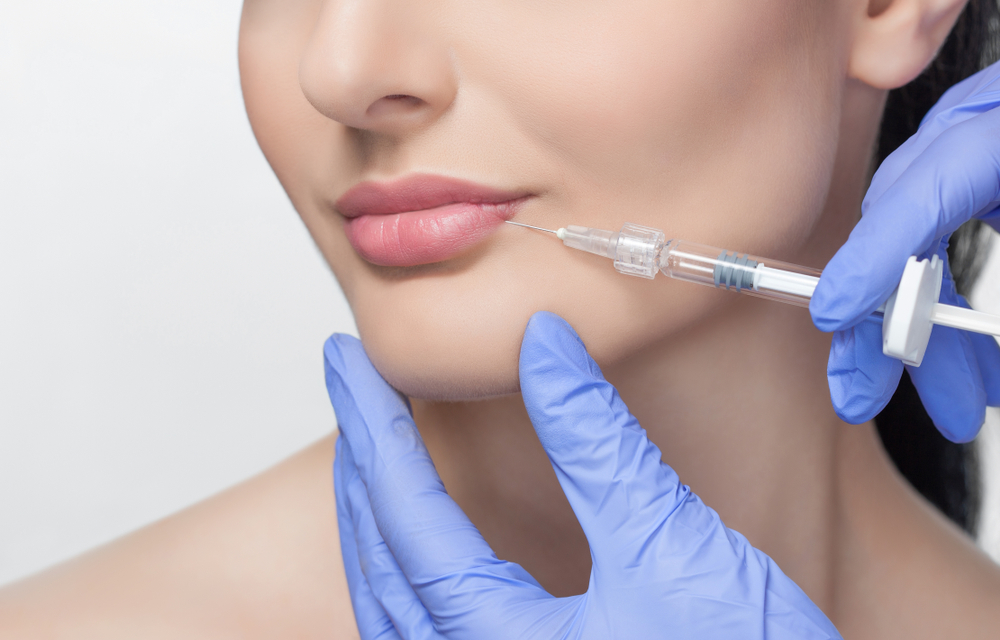
Lip filler is one of the most requested cosmetic procedures worldwide, promising fuller lips and a confidence boost. But when treatments go wrong, the emotional and physical consequences can be distressing. Real patients sharing their journeys can offer valuable insights into early warning signs, effective corrective treatments, and how to choose a safe path forward. In this article, we present true-to-life scenarios (anonymized and representative), explain the corrective measures used by clinicians, and draw practical takeaways for anyone considering or recovering from lip augmentation.
Case 1: The Overfilled Pout — From Panic to Precision
Scenario: A patient in her late 20s received more filler than she expected during a same-day treatment. Immediate swelling compounded the effect, leaving her feeling shocked and unhappy with an overprojected upper lip.
What the clinician did: After a careful assessment and photos, the injector advised a short observation period of 7–10 days to allow initial swelling to subside. When the fullness remained excessive, the provider administered a conservative dose of hyaluronidase to partially dissolve the hyaluronic acid filler, followed by staged micro-volume reinjections four weeks later to achieve balanced, natural-looking results.
Outcome and lesson: The patient recovered without complications and appreciated the staged approach. Key takeaway: don’t rush into aggressive correction immediately — allow swelling to settle, use hyaluronidase judiciously when needed, and plan conservative retreatments.

Case 2: The Nodule That Wouldn’t Budge — Medical Management Works
Scenario: A man in his 40s developed a firm nodule several weeks after injection. The bump persisted and fluctuated in size, causing discomfort and self-consciousness.
What the clinician did: The provider ruled out infection and suspected a localized inflammatory response. Treatment included a course of oral antibiotics to cover possible low-grade infection and a targeted intralesional corticosteroid injection to reduce inflammation. Because the filler was hyaluronic acid, hyaluronidase was used selectively to soften the area before steroid injection.
Outcome and lesson: Over several weeks the nodule softened and diminished significantly. Patient education focused on avoiding self-manipulation and seeking prompt professional care for persistent lumps. Key takeaway: persistent nodules often respond to combined medical therapy rather than immediate surgical intervention.
Case 3: Signs of Vascular Compromise — Rapid Response Prevents Necrosis
Scenario: During injections, a patient experienced sudden, severe pain and blanching of the upper lip. The injector recognized the signs of potential vascular occlusion and acted immediately.
What the clinician did: The injector stopped treatment, applied warm compresses, administered high-dose hyaluronidase in and around the affected zone, and used nitroglycerin paste in accordance with clinic protocol while monitoring circulation. The patient received close follow-up over the next 48–72 hours.
Outcome and lesson: Blood flow returned and the tissue recovered without necrosis. This case highlights the critical importance of experienced injectors, immediate recognition of red flags, and having reversal agents on hand. Key takeaway: rapid intervention can prevent permanent tissue damage when vascular events occur.
Case 4: Infection After Travel — Timely Antibiotics and Care
Scenario: A patient traveled abroad for a “medical tourism” filler session and later noticed increasing redness, warmth, and tenderness at the injection site along with low-grade fever.
What the clinician did: Upon return, the patient sought care. Cultures were taken when possible, and empiric broad-spectrum antibiotics were started while the clinician coordinated care with infectious-disease advice. Close monitoring and, when necessary, incision and drainage of any abscesses were performed under sterile conditions.
Outcome and lesson: The infection resolved after targeted antibiotics and local care. The patient was counseled on the risks of seeking cosmetic procedures in non-regulated settings without continuity of care. Key takeaway: infections require prompt professional treatment; avoid delayed care or DIY drainage attempts.
Case 5: Permanent Filler Regret — Surgical Revision Saves the Day
Scenario: A woman who had semi-permanent filler placed years earlier developed migration and irregular contours. Because the material was non-hyaluronic, hyaluronidase was ineffective.
What the clinician did: After specialist referral, the patient underwent surgical excision of localized filler deposits and soft tissue remodeling under local anesthesia. The surgical team planned incisions to minimize visible scarring and staged the procedure to optimize symmetry.
Outcome and lesson: Although recovery required time and careful aftercare, the patient achieved a much-improved lip contour. Key takeaway: permanent fillers carry long-term risks; if problems arise with non-HA materials, surgical solutions by experienced reconstructive surgeons may be necessary.
Common Themes and Practical Advice
- Choose qualified providers: Board-certified physicians or experienced, credentialed injectors significantly reduce risk and are more likely to manage complications appropriately.
- Document everything: Take clear photos before and after treatment, and keep product details and practitioner notes. Documentation helps diagnosis and legal or insurance matters if needed.
- Recognize red flags: Severe pain, sudden blanching, rapid swelling, pus, fever, or visual changes require immediate attention.
- Hyaluronidase is a powerful tool: For HA fillers, it can reverse many unfavorable outcomes when used by experienced clinicians.
- A staged, conservative approach often yields the best aesthetic and safety outcomes.
Emotional Impact and Support
Beyond physical correction, patients frequently face emotional distress after an adverse outcome. Look for providers who offer compassionate care, clear communication, and realistic timelines. Support groups and counseling can help individuals cope with anxiety, body-image concerns, or regret while they pursue corrective treatment.
Conclusion
Real stories of lip filler gone wrong show that with prompt recognition, appropriate medical or surgical intervention, and an experienced clinician, most people can restore their appearance and confidence. Learn from others: prioritize safety, verify practitioner credentials, document your treatment, and seek early professional care for any concerning symptoms. If you encounter prolonged or severe complications, don’t hesitate to pursue expert corrective options to avoid a lasting botched lip filler.


Nhận xét
Đăng nhận xét