Nonsurgical Breast Augmentation Safety: What You Must Know Beforehand
Health & Beauty — Nonsurgical Breast Augmentation Safety: What You Must Know Beforehand. Essential pre-procedure guidance, risks, provider selection, imaging considerations, and aftercare for safe, informed non-surgical breast enhancement.
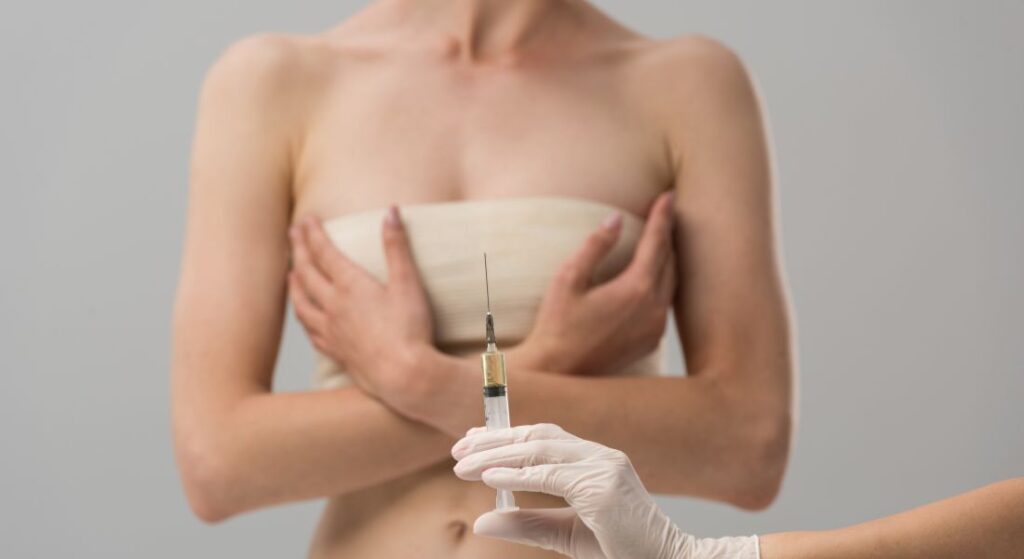
Nonsurgical breast augmentation has gained attention as an alternative to implant surgery. Options such as autologous fat transfer (lipofilling), injectable fillers (used selectively and by experienced practitioners), and energy-based devices promise less downtime and fewer scars. However, “non-surgical” does not mean risk-free. Understanding safety considerations before you proceed is essential for choosing the right procedure, minimizing complications, and achieving a satisfying outcome. This article outlines the key safety points you must know beforehand.
Know the Procedures and Their Specific Risks
Each nonsurgical option carries its own safety profile:
- Autologous fat transfer: Involves liposuction to harvest fat and multiple careful injections into the breast. Risks include infection, bleeding, donor-site contour irregularities, fat necrosis (which can form lumps or oil cysts), and variable fat resorption. Proper technique—small aliquot injections in multiple planes and meticulous processing—reduces complications.
- Injectable fillers: Some clinics use hyaluronic acid (HA) or other soft-tissue fillers off-label for breast contouring. Risks include infection, granuloma or foreign-body reaction, migration of the product, and lumps or asymmetry. Vascular injury is less common in the breast than in face injections but remains a theoretical concern depending on injection plane. The reversibility of HA fillers with hyaluronidase is an important safety advantage when available.
- Energy-based devices: Radiofrequency, ultrasound, and laser therapies target skin tightening and mild lifting. Risks are generally low but can include burns, scarring, pigment changes, or inadequate effect when used alone for significant volume loss.

Choose a Qualified, Experienced Provider
Provider expertise is the single most important safety factor. Seek a board-certified plastic surgeon, board-certified dermatologist, or an experienced aesthetic physician with documented experience in breast fat grafting or breast filler procedures. Key questions to ask during consultation:
- How many breast fat grafting or filler cases have you performed? Can you show before-and-after photos?
- Where will the procedure be performed? Is the facility accredited?
- What is your complication rate and how do you manage adverse events?
- Do you coordinate with breast imaging specialists and provide documentation for radiologists?
Understand Candidacy and Contraindications
Not everyone is a good candidate for nonsurgical breast augmentation. Considerations include:
- Medical history: Active infection, uncontrolled diabetes, bleeding disorders, or certain autoimmune conditions may preclude treatment.
- Breast cancer history: Patients with current breast cancer or suspicious breast lesions should not undergo augmentation until fully evaluated and cleared by oncology and breast specialists. Prior cancer history requires individualized discussion, especially regarding imaging interpretation.
- Anatomical factors: Significant breast ptosis (sagging) is not corrected by nonsurgical volume restoration alone; a surgical lift may be needed for meaningful improvement.
- Donor fat availability: For fat transfer, adequate donor-site fat is necessary; very thin patients may not qualify.
Pre-Procedure Evaluation and Imaging
Safe practice includes thorough pre-procedure assessment:
- Physical exam: Assessment of breast tissue, skin quality, asymmetry, and donor sites (for fat transfer).
- Baseline imaging: Obtain a baseline mammogram or breast ultrasound when recommended—especially for patients over screening age or with risk factors—to document preexisting findings and guide future interpretation.
- Laboratory tests: As indicated by medical history (e.g., coagulation studies if bleeding risk exists).
- Informed consent: Clear written documentation of risks, benefits, alternatives, and the potential need for additional or staged procedures.
Imaging and Surveillance After Treatment
Both fat grafting and some fillers can produce findings on mammography or ultrasound—fat necrosis, oil cysts, or calcifications—that may mimic pathology. To reduce unnecessary biopsies and anxiety:
- Provide a detailed procedure report to your radiologist stating the technique used, areas treated, and approximate volumes.
- Schedule routine screening per recommended guidelines and alert imaging teams about prior procedures.
- If new lumps or changes occur, prompt clinical evaluation and targeted imaging are essential; experienced radiologists can usually distinguish post-procedural changes from malignancy, but correlation and follow-up may be needed.
Technique Matters: Safety Protocols During the Procedure
Safe technique reduces complications:
- Aseptic technique: Strict sterile setup and perioperative antibiotics when indicated lower infection risk.
- Avoiding intraductal or deep parenchymal injection of large boluses: For fat grafting and filler injections, small-volume, multilayered placement avoids pressure-related complications and improves graft survival.
- Use of imaging guidance when appropriate: Ultrasound-guided injections can improve accuracy and safety in selected cases.
- Anesthesia and monitoring: For procedures requiring sedation, appropriate anesthesia personnel and monitoring in accredited facilities are essential.
Post-Procedure Care and Warning Signs
Follow post-procedure instructions closely to support healing and detect complications early. Typical guidance includes:
- Avoiding heavy lifting and direct pressure on the breasts for the period recommended by your provider.
- Wearing supportive garments and compression at donor sites as instructed.
- Monitoring for signs of infection (increasing redness, swelling, fever), persistent severe pain, sudden changes in breast size or contour, or skin breakdown—seek prompt medical attention if these occur.
- Keeping scheduled follow-up visits to assess graft take, filler placement, and early management of irregularities.
Realistic Expectations and Informed Consent
Understanding limits and likely outcomes is part of safety. Nonsurgical techniques often provide modest to moderate improvement rather than dramatic size increases. Fat grafting can be semi-permanent but variable due to resorption; fillers are typically temporary and may require maintenance. Discuss realistic goals, the possibility of staged treatments, and contingency plans for complications or unsatisfactory results before consenting.
Legal and Ethical Considerations
Beware of offers that seem too good to be true. Ethical providers disclose off-label uses (for example, many fillers are not FDA-approved specifically for breast augmentation), provide full informed consent, and avoid high-volume, low-cost “package” deals that may cut corners on safety. Confirm that the provider carries appropriate malpractice insurance and operates transparently about risks and outcomes.
Conclusion
Nonsurgical breast augmentation can be a safe and effective option for carefully selected patients when performed by qualified practitioners using evidence-based techniques. Key safety steps include thorough pre-procedure evaluation, baseline imaging, choosing an experienced board-certified provider, strict sterile technique, appropriate post-procedure care, and honest, realistic expectations. Awareness of imaging implications, potential complications, and the need for possible staged approaches helps you make an informed decision. Prioritize safety over convenience or cost to optimize outcomes and minimize risk when pursuing Non-invasive Breast Enhancement.


Nhận xét
Đăng nhận xét