Is Stem Cell Hair Transplant Safe? Understanding the Science Behind It
Discover the safety of stem cell hair transplants at Health & Beauty. Understand the science behind this innovative procedure and explore autologous stem cell hair therapy for effective hair restoration!
As hair loss remains a prevalent concern for many, innovative solutions like stem cell hair transplants are gaining attention. With claims of natural results and minimal invasiveness, prospective patients often wonder: Is stem cell hair transplant safe? In this article, we’ll explore the science behind this revolutionary procedure while addressing safety concerns and what patients can expect.
What Is a Stem Cell Hair Transplant?
A stem cell hair transplant involves extracting healthy hair follicles from the patient’s scalp, isolating the stem cells within those follicles, and injecting these cells into areas where hair is thinning or absent. This technique harnesses the body’s natural regenerative abilities, aiming to stimulate dormant follicles and promote new hair growth.

The Mechanism of Action
The safety and effectiveness of stem cell hair transplants hinge on their biological foundations. Here’s how the procedure works:
-
Harvesting Follicles: Doctors extract hair follicles from the donor area, typically located at the back or sides of the scalp, where hair density is higher.
-
Isolating Stem Cells: The harvested follicles are processed to isolate stem cells, which are responsible for hair regeneration.
-
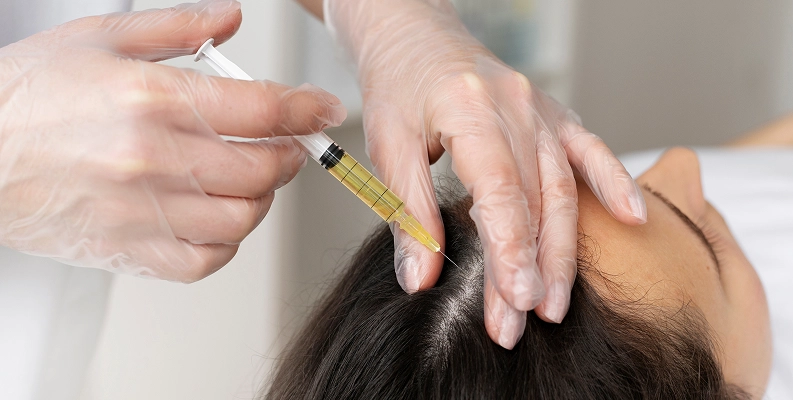
Injection: The isolated stem cells are injected into the areas of hair loss, where they signal dormant follicles to reactivate and initiate new hair growth.
Assessing the Safety of Stem Cell Hair Transplant
1. Minimally Invasive Procedure
One of the key advantages of stem cell hair transplants is that they are minimally invasive. Unlike traditional hair transplant techniques that require large incisions, stem cell methods typically use small needle punctures for both extraction and injection. This reduces the potential for complications and speeds up the healing process, leading to fewer adverse effects for the patient.
2. Use of Autologous Cells
Stem cell hair transplants utilize autologous cells, meaning the stem cells are derived from the patient’s own body. This significantly lowers the risk of allergic reactions, infections, or other complications often associated with foreign substances. The body is less likely to reject its own cells, making the procedure inherently safer.
3. Clinical Studies and Evidence
Research supporting the safety and efficacy of stem cell hair transplants is continually emerging. Clinical studies have shown promising results regarding their effectiveness in promoting hair growth. Many trials report minimal adverse effects, with most patients experiencing only mild swelling or bruising at the injection sites.
However, as with any medical procedure, it is essential to approach treatment with caution. Patients should discuss potential risks and benefits thoroughly with healthcare professionals before deciding.
4. Long-Term Safety
While short-term studies demonstrate the safety of stem cell hair transplants, long-term studies are needed to establish their enduring safety profile. As the procedure grows in popularity, ongoing research will help clarify any long-term implications.
Considering Possible Risks
While stem cell hair transplants present several safety advantages, patients should be aware of potential risks:
-
Infection: Although rare, as with any medical procedure, there is a small risk of infection following the administration of injections.
-
Scarring: While small incisions limit scarring, individual healing capacity can vary, and some patients may experience adverse scarring.
-
Uneven Results: Not all patients will achieve the desired hair density or growth, which can lead to dissatisfaction with results.
Choosing the Right Practitioner
To ensure a safe and effective stem cell hair transplant, it is crucial to select a qualified practitioner with a solid reputation in the field. Look for:
-
Experience: Choose professionals who specialize in stem cell procedures and have a significant number of successful cases.
-
Consultations: A thorough initial consultation should address your concerns, expectations, and potential outcomes.
-
Accredited Facilities: Ensure the procedure is performed in an accredited medical facility adhering to health and safety regulations.
Conclusion
The question of whether stem cell hair transplants are safe is met with encouraging evidence. As a minimally invasive procedure that uses the body’s own regenerative cells, it offers significant safety advantages compared to traditional methods. While some risks exist, choosing the right practitioner and understanding the process can significantly mitigate these concerns.
If you’re contemplating a solution for hair loss, understanding the science behind autologous stem cell hair therapy can empower you to make informed decisions about your hair restoration journey. With ongoing research and a foundation of patient safety, stem cell hair transplants represent a promising avenue in the fight against hair loss.


Nhận xét
Đăng nhận xét