How Many Units of Botox Do You Need to Maintain Natural Results?
Health & Beauty — How Many Units of Botox Do You Need to Maintain Natural Results? Learn unit ranges, maintenance strategies, timing, and tips to preserve natural facial expression while achieving lasting improvement.
Maintaining a natural appearance after Botox treatment is a common goal for many patients. The right number of units depends on the treated area, individual muscle strength, treatment frequency, and the desired balance between relaxation and expression. This article explains typical unit ranges, maintenance strategies, timing, and practical tips to achieve subtle, natural results over the long term.
Defining “Natural Results”
“Natural results” means reducing visible dynamic wrinkles while preserving facial expressiveness. Instead of freezing movement completely, the objective is to soften exaggerated contractions so lines are less noticeable at rest and during expression. Achieving this balance requires individualized dosing, precise injection technique, and an ongoing maintenance plan rather than a one-time large dose.
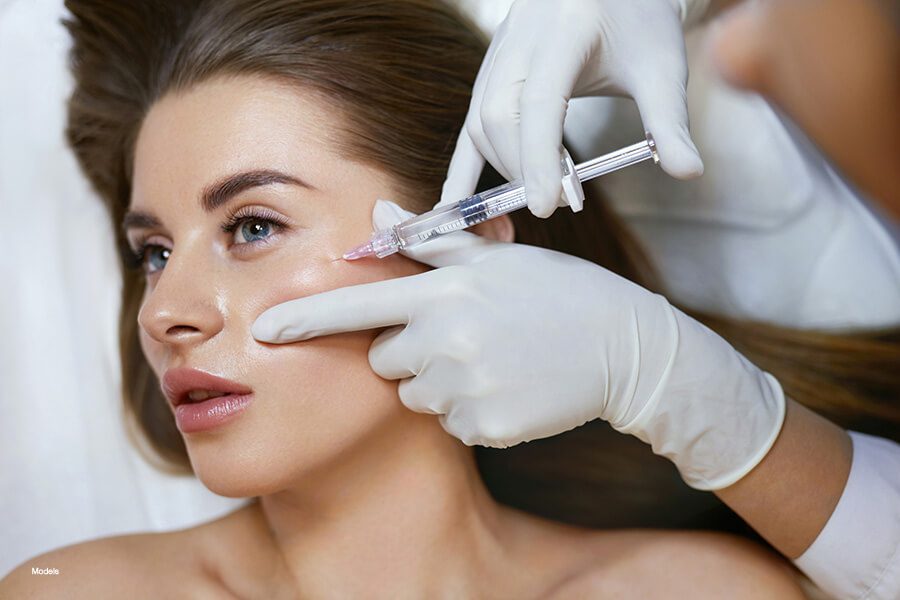
Typical Unit Ranges for Natural-Looking Maintenance
Unit requirements vary by facial area. The following are general maintenance ranges used by many experienced injectors to preserve natural movement:
- Forehead (frontalis): 8–15 units. Conservative maintenance often lies at the lower end to permit eyebrow elevation and prevent a heavy brow.
- Glabella (frown lines): 10–20 units. Moderate dosing reduces deep frown lines while avoiding complete immobilization of the corrugators.
- Crow’s feet (per side): 6–12 units per side. Lower per-side doses keep eye closure intact for natural smiling and blinking.
- Nasal lines & bunny lines: 2–6 units. Small, targeted doses smooth movement without altering breathing or nasolabial mechanics.
- Perioral/lip flip: 2–6 units. Minimal dosing creates subtle upper-lip eversion without impairing speech.
- Masseter (for slimness): 20–40 units per side for maintenance after initial reduction—often less than the initial flattening course once muscle atrophy occurs.
Maintenance vs. Initial Treatment
Initial treatment and maintenance dosing can differ. Many patients start with slightly higher or more distributed units to establish baseline improvement. Once an optimal appearance is achieved, fewer units or less frequent treatments may maintain the result. Over time, repeated treatment can reduce muscle bulk (especially in masseter), allowing lower maintenance doses while preserving natural motion.
Timing and Frequency of Maintenance Treatments
Botox effects are temporary. Typical duration ranges from 3 to 6 months depending on the area, individual metabolism, and dosing. Maintenance strategies include:
- Standard schedule: Every 3–4 months for consistent softening of dynamic lines.
- Extended interval: Every 4–6 months for patients seeking less frequent intervention; may require slightly higher units at each visit to sustain the effect.
- Microdosing or “baby Botox”: Lower units administered more frequently (e.g., every 2–3 months) to gently manage movement while avoiding overt paralysis—suitable for those prioritizing subtlety.
Personal Factors That Change Maintenance Needs
Several individual factors affect how many units you will need to maintain natural results:
- Muscle strength: Stronger muscles regain full function more quickly and may need higher or more frequent maintenance doses.
- Metabolism: Faster metabolizers break down the toxin sooner, shortening duration.
- Age and skin elasticity: Older skin with static lines may need adjunctive therapies; Botox alone may not fully address static creases.
- Behavior and expressions: Habitual frowning or heavy animation can necessitate more units or more frequent touch-ups to maintain subtlety.
Injection Technique for Natural Outcomes
A skilled injector uses anatomy-based placement, appropriate dilution, and conservative per-site dosing to preserve expression. Key technique points include:
- Dispersing small doses across multiple points rather than large bolus injections to avoid localized paralysis.
- Avoiding excessive dosing near muscles that support eyelid or brow position to prevent ptosis or a frozen forehead.
- Combining glabella and forehead treatments thoughtfully to maintain balanced brow dynamics—treating only one area can alter overall movement.
Communication and Goal Setting
Clear communication with your provider about what “natural” looks like to you is essential. Bring photos of your preferred facial expressions and discuss tolerance for reduced motion. Many clinics perform dynamic assessments during consultation—observing movement and asking patients to animate—so dosing plans match esthetic goals.
Monitoring and Adjustment
Follow-up at 2 weeks after injection allows for assessment and conservative touch-ups if areas need small adjustments. Regular reassessment every few treatment cycles helps calibrate maintenance doses. If you feel results are too subtle or too rigid, discuss incremental adjustments rather than abrupt large changes.
Safety and Side Effects
When administered by trained professionals, Botox is generally safe. Common mild side effects include bruising, swelling, and transient headaches. More significant but rare complications include eyelid or brow ptosis, asymmetry, and functional weakness. Conservative maintenance dosing and adherence to safe injection practices lower these risks.
Complementary Treatments to Preserve Natural Results
To sustain a youthful but natural appearance, combine Botox maintenance with complementary measures:
- Skincare: Retinoids, antioxidants, and sun protection improve skin quality and reduce static lines.
- Fillers: Restore volume lost to aging; fillers address static creases that neuromodulators do not.
- Energy-based treatments: Laser or radiofrequency therapies improve texture and tighten skin to support Botox outcomes.
Conclusion
Maintaining natural results with Botox is a personalized process. Typical maintenance unit ranges are lower than initial treatment amounts and vary by area—eg. 8–15 units for the forehead, 10–20 for the glabella, and 6–12 per side for crow’s feet—while masseter maintenance may be 20–40 units per side after initial reductions. Key strategies include conservative dosing, precise injection technique, regular follow-up, and complementary skin treatments. Work closely with a qualified injector to develop a maintenance schedule that preserves expression and meets your aesthetic goals. For a tailored plan based on your anatomy and preferences, consult an experienced professional who can provide a reliable Botox Dosage Guide.


Nhận xét
Đăng nhận xét