How Long Does It Hurt? Is Rhinoplasty Painful in the First Week?
Discover how long rhinoplasty pain lasts and whether it’s particularly painful in the first week at Health & Beauty. Learn expert tips to manage discomfort during recovery!
Rhinoplasty, often referred to as a nose job, is a highly sought-after cosmetic procedure aimed at enhancing the appearance of the nose or improving its function. While the desire for a better-shaped nose can drive many to consider rhinoplasty, concerns about pain and the recovery process are common. In this article, we will explore how long the pain lasts post-surgery and whether rhinoplasty is particularly painful during the first week of recovery.
Understanding Rhinoplasty and Its Pain Levels
Rhinoplasty involves surgical modifications to the nasal structure, including alterations to bone, cartilage, and skin. While anesthesia helps to ensure that patients feel little to no pain during the procedure, discomfort is expected as the anesthesia wears off.
What to Expect Pain-Wise
In the context of rhinoplasty, pain levels can vary significantly from person to person. Here’s a closer look at the factors influencing pain perception during recovery:
-
Anesthesia: Mostly performed under general anesthesia or local sedation, patients typically do not experience pain during the actual surgery. However, discomfort often arises as the effects of the anesthesia fade.
-
Type of Rhinoplasty: The surgical technique used can impact post-operative pain. Closed rhinoplasty, where incisions are made inside the nostrils, tends to result in less discomfort compared to open rhinoplasty, which requires a visible incision.
-
Individual Differences: Pain tolerance varies from one individual to another. Factors such as anxiety levels, general health, and pain history can all play a role in how much discomfort is felt.
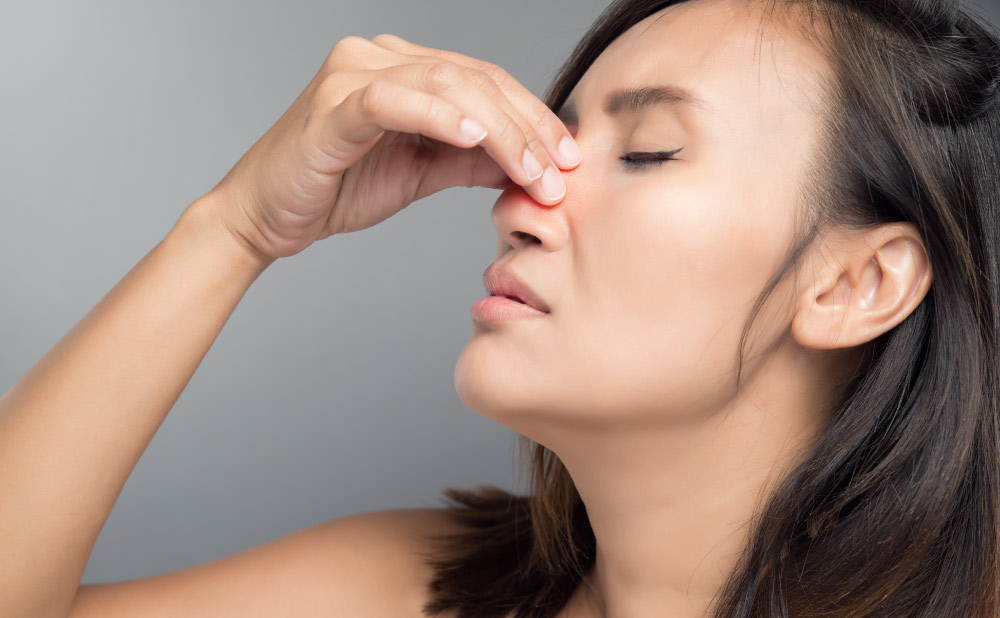
Is Rhinoplasty Particularly Painful in the First Week?
For most patients, the first week after rhinoplasty is the most uncomfortable as the body begins to heal. However, understanding what to expect can help minimize anxiety regarding pain during recovery.
Days 1 to 3: Initial Pain and Discomfort
-
Swelling and Bruising: The first few days post-surgery are characterized by significant swelling and bruising around the eyes and nose. Pain levels typically peak during this time.
-
Pain Management: Most surgeons will prescribe pain medication to alleviate discomfort. Over-the-counter medications may also be recommended as a supplement. Patients often describe pain as moderate but manageable, occurring as throbbing or pressure rather than sharp pain.
-
Nasal Packing: In some cases, nasal packing may be inserted to protect the surgical site. This can cause additional discomfort but is usually removed within 48 to 72 hours.
Days 4 to 7: Improvement Begins
-
Easing of Pain: By the fourth day, many patients report that discomfort begins to lessen. Swelling will still be present, but the intensity of pain typically decreases significantly. Most patients are able to manage their discomfort effectively with medication and may require less pain relief than before.
-
Resuming Light Activities: While you should still avoid strenuous activities, many individuals feel well enough to engage in light activities such as walking.
Week 2 and Beyond: Gradual Recovery
-
Continued Healing: By the end of the first week, most patients can expect to see a noticeable reduction in pain and swelling. Bruising will also begin to fade, allowing for a more comfortable recovery experience.
-
Follow-Up Appointments: A follow-up appointment with your surgeon usually occurs around this time to assess healing and remove any splints or stitches if needed.
Expert Tips for Managing Pain in the First Week
-
Follow Post-Operative Instructions: Adhering strictly to your surgeon’s post-operative care guidelines is crucial for minimizing pain and promoting healing.
-
Pain Medication: Take prescribed pain medications as directed, particularly in the first few days after surgery.
-
Ice Packs: Applying ice packs to the sides of your face can help reduce swelling and provide comfort. Be sure to use a cloth barrier to protect your skin.
-
Head Elevation: Keeping your head elevated while resting can help minimize swelling and discomfort.
-
Hydration and Nutrition: Staying well-hydrated and consuming a balanced diet can help support the healing process and alleviate pain over time.
Conclusion
In summary, the first week following rhinoplasty can involve varying levels of discomfort, but most patients find the pain manageable with proper care and medication. While the pain may be more pronounced during the initial days, it typically subsides significantly as the body begins to heal.
Understanding how long it may hurt can help alleviate anxiety and prepare you for the recovery process. It is essential to listen to your body, follow your surgeon’s guidelines, and communicate openly about any concerns you may have.
For those concerned about whether rhinoplasty hurt, it’s important to remember that while some discomfort is inevitable, effective pain management techniques and an understanding of the recovery timeline can make the journey smoother.


Nhận xét
Đăng nhận xét