How Long Does Filler Under Eye Last? Tips for Longer-Lasting Results
Health & Beauty — How Long Does Filler Under Eye Last? Tips for Longer-Lasting Results. Discover lifespan expectations, influencing factors, maintenance strategies, and expert tips to prolong tear trough outcomes.
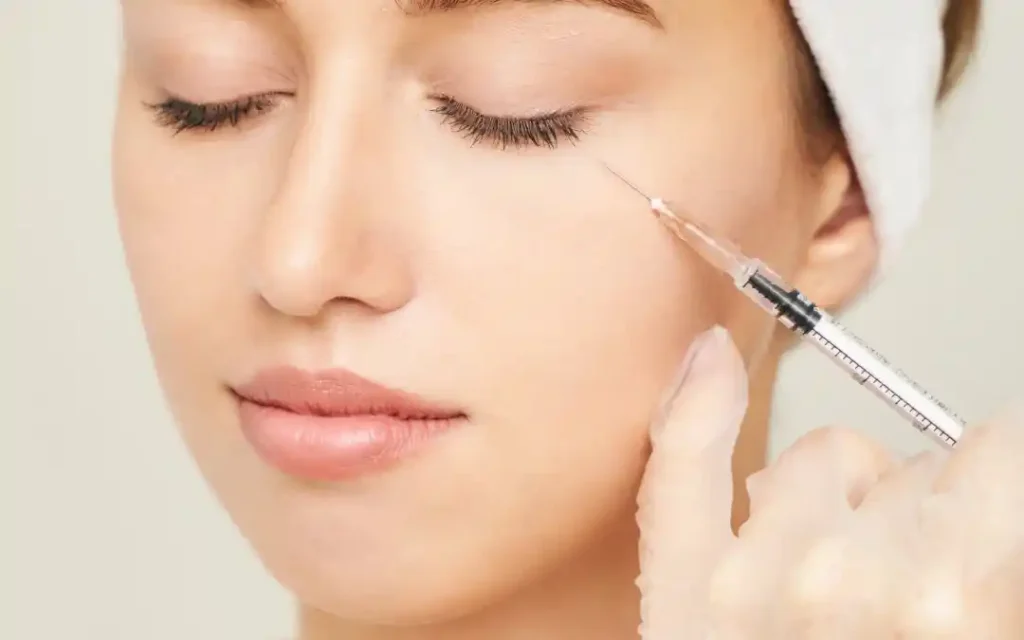
Filler under eye (also known as tear trough or lower eyelid filler) is a popular, minimally invasive treatment to reduce hollows, soften shadows, and create a more rested appearance. One of the most common patient questions is: how long will results last? This article explains typical longevity, the factors that influence durability, realistic expectations, maintenance schedules, and practical tips to extend outcomes so you get the most value and satisfaction from your treatment.
Typical Longevity of Under-Eye Fillers
Most hyaluronic acid (HA) fillers used in the tear trough last between 8 and 18 months. However, the exact duration varies by product formulation, injection depth, individual metabolism, and lifestyle factors. Some patients experience effects that persist beyond 18 months, while others may notice fading sooner. Because HA is biodegradable and metabolized by the body over time, maintenance injections are commonly scheduled to preserve the aesthetic improvement.
Factors That Affect How Long Filler Lasts
- Product type and formulation: Different HA fillers have varying cross-linking densities, cohesivity, and hydrophilicity — properties that influence longevity. Fillers designed for deeper structural support often last longer than very soft, superficial gels.
- Injection plane and technique: Deep-plane placement (preperiosteal or supraperiosteal) generally prolongs results compared with superficial placement. Skilled injectors who use conservative volumes and proper techniques reduce early breakdown or migration.
- Individual metabolism: Patients with faster metabolic rates may metabolize HA more quickly. Age, hormonal status, and general health play roles.
- Movement and facial dynamics: The periorbital area is highly mobile; repeated motion can influence filler breakdown. Lighter products placed deeply tend to resist deformation longer.
- Lifestyle factors: Sun exposure, smoking, alcohol consumption, and high-intensity exercise can affect tissue health and potentially influence filler longevity.
- Amount injected and prior treatments: The initial volume and whether treatments are being touched-up or layered over previous fillers affect how long the visual improvement remains.
Realistic Expectations and Assessment
It’s important to set realistic expectations. Tear trough correction aims to smooth the lid-cheek transition and reduce shadowing — not to eliminate all signs of aging. Many clinicians recommend a conservative initial approach: treat modestly and plan touch-ups after the filler settles (typically 2–6 weeks). This reduces the risk of overcorrection and complications in the delicate periorbital region while allowing a tailored maintenance plan.
Tips to Make Under-Eye Filler Last Longer
- Choose an experienced injector: Provider skill affects placement, product selection, and complication avoidance. Board-certified dermatologists, plastic surgeons, or oculoplastic surgeons with periorbital experience are preferred.
- Select appropriate filler: Use HA fillers suited for the tear trough — typically low-viscosity, low-hydrophilicity gels for deep placement and minimal swelling.
- Deep-plane placement: Proper anatomical placement on bone or in the preperiosteal plane reduces visibility, migration, and early breakdown.
- Conservative volume and staged treatments: Smaller, staged injections minimize tissue stretching and edema, allowing product to integrate better and last longer.
- Protect skin health: Use daily sunscreen, topical antioxidants (vitamin C), and retinoids as tolerated to maintain skin quality and reduce collagen degradation.
- Avoid smoking and excessive alcohol: Both accelerate skin aging and may influence filler metabolism and tissue recovery.
- Maintain a healthy lifestyle: Adequate sleep, balanced diet, hydration, and low inflammation (manage allergies, avoid high-sodium diets) help tissues hold filler more predictably.
- Timing of adjunctive treatments: Coordinate lasers, peels, or aggressive skin resurfacing with your injector to avoid procedures that may destabilize filler placement. Typically, wait until filler has fully integrated (4–6 weeks) before aggressive resurfacing.
- Consider complementary therapies: Treatments such as PRP or skin-boosting HA can improve skin quality and may enhance perceived longevity of tear trough correction.
- Follow aftercare instructions: Minimize early swelling and bruising by avoiding intense exercise, alcohol, and hot environments for 24–72 hours post-treatment. Use cold compresses as recommended.
Maintenance Strategies and Scheduling Touch-Ups
Many patients choose regular maintenance rather than waiting for complete disappearance. A common approach is a touch-up at 9–12 months, though some return earlier at 6–9 months if metabolism is faster. Others prefer to wait 12–18 months. When scheduling maintenance, providers often perform a clinical assessment and compare before-and-after images to determine the optimal timing and volume for retreatment.
When to Consider Dissolving or Revising
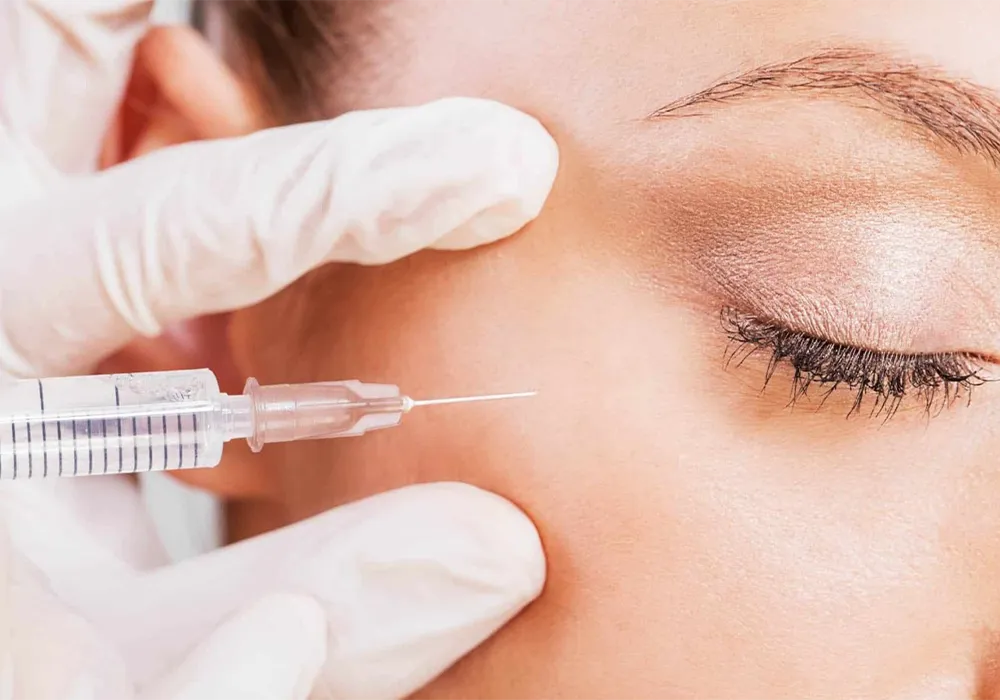
If there are lumps, asymmetry, Tyndall effect (bluish tint), or dissatisfaction with placement, hyaluronidase can safely dissolve HA fillers. This allows a period of healing followed by potential re-treatment with a different technique or product. Dissolving is a useful tool to manage complications and refine outcomes in the periorbital area.
Cost Considerations Over Time
While non-surgical tear trough treatment has a lower upfront cost than surgery, repeated maintenance affects long-term expense. Compare the cumulative cost of periodic fillers versus one-time surgical options (such as lower blepharoplasty) if structural issues like fat prolapse or excess skin are primary concerns. Many patients find fillers suitable for volume loss, while surgery remains the definitive option for anatomic defects.
Conclusion
How long filler under eye lasts varies, but most HA products provide noticeable improvement for 8–18 months. Longevity depends on product choice, injection technique, individual metabolism, lifestyle, and aftercare. To maximize duration, work with an experienced injector, choose appropriate fillers, employ deep-plane placement and conservative volumes, protect skin health, and follow post-procedure guidance. Plan realistic maintenance intervals and consider dissolving and re-treatment when necessary to refine results. For tailored advice and treatment planning, consult a board-certified specialist familiar with periorbital anatomy and tear trough management for optimal outcomes with lower eyelid filler.


Nhận xét
Đăng nhận xét